
NOTICE: WE ACCEPT CASH OR ZELLE PAYMENT ONLY.
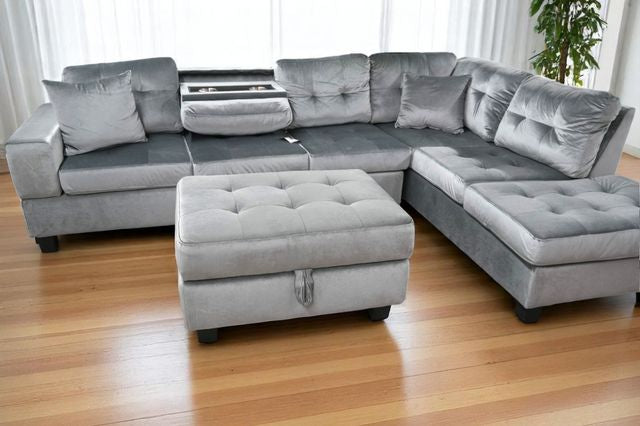
Flexible seating in a living room means choosing furniture pieces that can adapt to relaxing, TV watching, working, entertaining, gaming, and hosting guests without forcing one fixed setup. The best approach is not simply buying more chairs; it is choosing living room furniture that can move, stack, tuck away, or serve more than one purpose.
Flexible seating works best when the main seating is supported by movable pieces: modular sofas, sectionals, ottomans, benches, stools, poufs, floor cushions, and floor pillows.
Modular and multi-functional pieces are best for creating flexible living room seating arrangements because they can shift between everyday living and entertaining.
A well-sized coffee table or ottoman, placed about 16–18 inches from seating, keeps snacks, games, and devices within reach while preserving floor space.
Smart furniture arrangement matters as much as the pieces themselves: keep main seats within 8–9 feet of each other and maintain at least 30 inches of clearance for flow.
Small spaces benefit most from lightweight furniture, storage ottomans, nesting tables, and compact sofas that can maximize space without making the space feel cramped.
The best answer to what living room furniture supports flexible seating arrangements is: sofas, sectionals, modular seating, ottomans, benches, stools, poufs, and floor pillows. Together, these pieces create ample seating without locking your living room layout into one rigid arrangement.
For most homes, the ideal flexible seating mix looks like this:
One main sofa, usually the sofa that anchors the room, around 84–90 inches long for a standard living area.
Two or three movable chairs, such as swivel chairs, slipper chairs, club chairs, or an upright chair with good back support.
One or two ottomans, ideally 16–18 inches high, used as extra seating, footrests, or table surfaces.
A coffee table or coffee table ottoman about two-thirds the length of the main sofa.
Lightweight stools, poufs, or floor cushions that can slide under a console table or move into the seating area when needed.
In a small living room, a properly sized coffee table or ottoman placed 16–18 inches from seating supports flexible seating options without stealing too much available floor space.
The key is mobility. Lightweight furniture is easier to move around, allowing for quick changes in room configuration to suit different occasions, such as turning a daily living area into a party space.

In 2026 homes, the living room often supports streaming, gaming, remote work, kids’ play, casual meals, and relaxed entertaining. Before buying new furniture pieces, list what actually happens in the room during a normal week.
Ask yourself:
Do you need a lounging zone for movie nights?
Do you play board games around a central coffee table?
Does someone need a quiet corner for laptop work or reading?
Do kids use the living space for toys, floor play, or gaming?
Do you host guests who need additional seating?
Once you know the activities, measure the room. A 10x12 ft compact room needs a very different plan than a 12x18 ft or 14x18 ft larger space. Sketch the walls, windows, doors, media center, fireplace, and any connection to the dining room.
Use the furniture arrangement to create zones rather than relying on walls. For example, one rug can define a cozy seating area, a reading chair near natural light can form a work or reading zone, and a sofa back can separate open plan spaces from the dining area.
To create a sense of flow in a living room, start by grouping main seating pieces, such as a sofa and two chairs, into a conversation circle or semi-circle, which encourages interaction and ensures everyone feels included.
Keep the main seating within 8–9 feet when possible. This makes conversation easier and avoids the awkward feeling of people sitting too far apart.
The sofa or sectional usually provides 40–60% of total seating, so it sets the foundation for flexible seating options. If the main piece is too large, the room loses more space. If it is too small, you will need too many loose chairs and stools.
For comfortable seating during long periods, a sofa should ideally measure 84"–90" in length, have medium-firm cushions, and a seat depth of 21"–24" to support various postures without causing fatigue.
Deep-seated sofas with extra-wide, plush cushions enhance relaxation for long periods, making them ideal for frequent sitters who may shift positions while lounging.
A sectional sofa works well when the room supports it. L-shaped and U-shaped sectionals allow people to lounge, sit upright, stretch out, or face one another. In a large living room, a sectional can seat 4–6 people comfortably while still leaving enough space for chairs, side tables, and floor lamps.
A 9x9 ft sectional can work well in a 14x18 ft living room if you maintain about 30 inches of clearance for traffic flow. This is especially useful if one side of the sectional faces a media center and the other opens toward a conversation area.
Modular sofas are a great example of multi-functional furniture, as they can be rearranged to fit different room layouts and accommodate various activities, such as lounging or entertaining.
Modular seating with corner units, chaises, and armless seats can shift from a movie-night layout to an open social layout. Add at least one lighter chair opposite the sofa so the room can pivot between TV watching, conversation, and reading.
Here are practical layout ideas that work in common room shapes:
For a TV-focused living room, place the sofa facing the screen, angle two swivel chairs toward both the TV and coffee table, and keep seats within 8–9 feet.
For long rooms, place the sectional along the longer wall, add two chairs opposite, and use a central coffee table to anchor the conversation zone.
For a small living room, use a 72–78 inch apartment sofa, one accent chair, and a storage ottoman that works as a coffee table and extra seating.
For square rooms, float the sofa slightly away from the wall, place chairs across from it, and use a rug to keep the seating area visually clear.
In a small living room, consider using a 72-78-inch apartment sofa or a compact loveseat to keep circulation paths comfortable while still providing adequate seating.
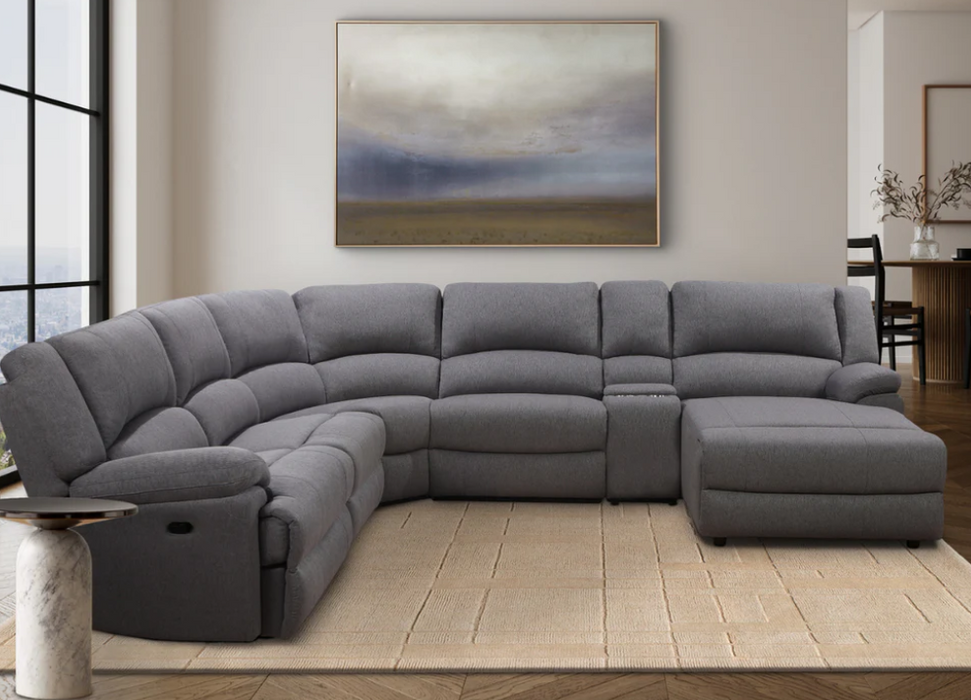
Movable chairs are essential because they can shift between zones. A chair can face the TV during a quiet evening, turn toward guests during a gathering, or move near a window for reading.
Supportive chairs for frequent sitting should have a seat height of 17"–19" and back support that reaches shoulder height to ensure comfort during extended use.
Swivel chairs are especially useful in rooms with multiple focal points, such as a fireplace, window, media center, or gallery wall. Two swivel chairs can face each other for conversation, then pivot toward the screen for TV watching.
Slipper chairs and armless accent chairs are useful in tight spaces because they have a slimmer footprint. They also work well in a compact room where bulky arms would block movement.
Mixing styles is fine. You might pair club chairs with a streamlined sofa, or combine lounge chairs with an upright chair for better posture. The trick is to keep seat heights similar so the room feels balanced.
Benches, stools, and poufs add more seating without requiring permanent floor space.
Use a 48–60 inch bench along a wall, under a window, or behind a sofa. During gatherings, pull it into the main seating area.
Place stools under a console table so they stay out of the way until guests arrive.
Use poufs beside nesting tables, then pull them forward for casual additional seating.
Choose sturdy cube ottomans or poufs for kids, gaming, and informal sitting.
Select durable fabrics, durable covers, or faux leather for pieces that move often.
Flexible seating options, such as ottomans and benches, can serve multiple purposes, including extra seating, footrests, or table surfaces, making living spaces more adaptable without taking up permanent floor space.
Incorporating flexible seating options like lightweight chairs or ottomans that can be easily moved around increases the usability of furniture, accommodating extra guests as needed.
Surfaces are part of flexible seating. The right coffee table, ottoman, or side table makes a room more useful because people need places for drinks, books, laptops, snacks, and everyday essentials.
Large ottomans around 36–40 inches square and 16–18 inches high can work as coffee tables, footrests, and extra seating. Add a tray on top, and a soft ottoman becomes a stable serving surface.
Multi-functional furniture, such as ottomans, benches, and stools, can serve as footrests, extra seating, and table surfaces, making them invaluable in living rooms that see constant use.
The best coffee table size is usually about two-thirds the length of the main sofa. For an 84-inch sofa, a table around 54–56 inches long often looks balanced. Keep the table roughly 16–18 inches from the sofa and chairs, so people have legroom and can still reach the surface.
Nesting tables are especially helpful in small rooms. Pull them apart when entertaining, then tuck them together to free floor space. This is a simple space-saving move that keeps a small space functional.
In small living rooms, multi-functional furniture is essential; pieces like storage ottomans and nesting tables can maximize space while providing necessary functionality.
Coffee tables and side tables help create zones in an open-plan living area. One table can anchor the main lounging zone, while smaller side tables support a reading or work corner.
Use these simple rules:
Place one coffee table in the main seating cluster.
Add a smaller table beside a reading chair near natural light.
Use round or oval tables in tight rooms to reduce sharp corners.
Keep at least one surface within arm’s reach of every seat.
Use a room divider, rug, or sofa back to separate the living area from the nearby dining space.
This helps open-plan spaces feel organized without permanent walls.

Many homes now use casual low-level seating for game nights, movie nights, and kids’ play. Floor pillows and floor cushions are easy to store, easy to move, and useful when you need more seating fast.
Oversized floor pillows can add 2–4 extra “seats” when friends or family visit. Stack them in an empty corner, under a bench, or in guest rooms when not in use.
A soft rug with a cluster of floor cushions near the coffee table creates a relaxed zone for board games, snacks, or informal gatherings. This setup is ideal for multi-use rooms because it can disappear quickly when you need the visual space back.
Low-profile lounge chairs or flip chairs are also helpful in studios and small rooms. They can change from flat lounging to supported sitting without needing a full recliner.
Choose removable, washable covers for floor pillows and cushions. Washable covers are practical because floor seating collects spills, pet hair, crumbs, and daily wear.
Arranging furniture well is what turns good pieces into a flexible room. Even excellent furniture can fail if it blocks traffic, crowds the coffee table, or creates visual clutter.
Floating zones can be created by placing sofas and seating groups away from the wall to open up the room.
This is often called floating furniture. Pulling a sofa 3–6 inches from the wall, or placing it in the middle of a larger space, can define a zone without closing the room off.
When arranging furniture, leave at least 30 inches of clearance behind seating and between zones to prevent people from being bumped when seated for longer sessions and to create an easy flow for getting up to stretch or move around.
A strong starting point is a semi-circle or U-shape around the coffee table. This supports conversation, gives everyone a surface nearby, and keeps the living room flexible for hosting.
You can also place a bench or narrow console table behind a floating sofa. This adds hidden storage, display space, or a perch for stools. If you have built-in storage, use it to hide poufs, blankets, toys, and gaming items when they are not in use.
Lighting makes each seat useful. Without good lighting, a chair may look nice but fail as a reading chair or work spot.
Use layered lighting:
Floor lamps around 60–70 inches tall beside sofas and accent chairs.
Table lamps on side tables for a task light.
Plug-in sconces where floor space is limited.
Warm, dimmable bulbs for a shift from daytime tasks to cozy evening lounging.
Good layered lighting lets the same living room support work, reading, relaxing, and entertaining throughout the day.
A small living room and a large open-plan living-dining area need different strategies. In small rooms, you need fewer bulky pieces. In a larger space, you need clear zones so seating does not feel scattered.
For small living rooms around 10x12 ft, choose a compact sofa or loveseat, one or two lightweight chairs, and a storage ottoman instead of multiple heavy pieces. This creates comfortable seating while preserving floor space.
For open-plan layouts, place the sofa or sectional with its back toward the dining room to create zones. Add a rug under the seating group so the furniture placement feels intentional, even when stools and poufs move around.
If you need to maximize space, rely on portable pieces:
|
Room type |
Best flexible pieces |
Why it works |
|---|---|---|
|
Small living room |
Loveseat, storage ottoman, nesting tables |
Adds function without bulk |
|
Long narrow room |
Sectional, two chairs, oval coffee table |
Keeps circulation clear |
|
Large living room |
Modular sofa, benches, lounge chairs |
Supports multiple zones |
|
Studio |
Compact sofa, poufs, folding or nesting tables |
Keeps the limited space adaptable |
Avoid adding too many oversized pieces. That can make the space feel cramped, even if the room technically has enough square footage.
Flexible seating works best when you can change the room quickly.
Movie night: Face the sofa and chairs toward the TV, pull ottomans in as footrests, place floor pillows in the front row, and use the coffee table for snacks.
Game night: Center the coffee table for board games, pull chairs into a circle, and add stools or poufs at the corners.
Social evening: Turn chairs toward the sofa, keep the coffee table in the middle, and use floor lamps and side tables for drinks.
Workday reset: Move a chair near natural light, use a nesting table for a laptop, and keep the main seating open for later relaxing.
This is where multi-functional furniture proves its value: the same furniture pieces support different needs without requiring a full room redesign.

Flexible seating pieces are moved, sat on, dragged, stacked, and used heavily. Durability matters as much as style.
Kiln-dried hardwood resists warping, splitting, and structural failure under sustained loads, making it a preferred choice for durable furniture frames.
High-density foam cores maintain their shape through repeated sitting cycles, providing long-lasting comfort and support in frequently used furniture.
Tightly woven fabrics resist pilling and abrasion better than loose textures, making them ideal for high-use environments in living room furniture.
For busy households, choose:
Stain-resistant upholstery for sofas and chairs.
Leather-look or wipeable materials for poufs and benches.
Removable cushion covers and washable slipcovers.
Wipeable coffee table surfaces.
Neutral upholstery on large pieces, with color added through pillows, throws, and small accent seats.
This keeps the room flexible without looking messy or worn out.
Most households benefit from at least 5–7 seats: a 3-seat sofa or sectional plus 2–3 movable chairs, stools, ottomans, or poufs. In smaller rooms, stackable stools and floor pillows can count as extra seating without taking up permanent floor space. A good rule is to seat your household plus 2–3 guests.
Aim for 16–18 inches between the sofa or chairs and the coffee table or ottoman. This distance gives comfortable reach and legroom. In narrow rooms, slightly less clearance can work on one side if the main walkway remains at least 30 inches wide.
An upholstered ottoman-style coffee table is the best option if you want seating and surface space in one piece. Wood or metal tables can sometimes be used as occasional perches if they are sturdy, but they are less comfortable. Add a tray to an ottoman so it can switch quickly from serving surface to extra seat.
Choose a compact sofa or loveseat, nesting tables, and 2–3 poufs or stools that can tuck under tables or sit along the wall. Wall-mounted shelves and a narrow console table can free floor space while still supporting storage and lighting. The best pieces are light enough for one person to move.
Use a limited color palette so different seating types feel connected. Store extra pillows, floor cushions, and poufs in baskets, benches, or storage ottomans. Most importantly, keep pathways of at least 30 inches and avoid crowding the room with too many bulky pieces.

Shop now at Mare Blu and discover living room furniture designed to bring comfort, style, and a relaxed atmosphere into your home. Whether you're updating your current space or furnishing a new one, our collection offers versatile pieces that help create a welcoming environment for both everyday living and entertaining guests.
Get your living room furniture at Mare Blu today and explore quality sofas, seating options, tables, and accent pieces crafted for lasting use and modern appeal. With designs that balance comfort and aesthetics, you’ll find everything you need to build a living room that feels inviting, functional, and beautifully styled.
Delivery
Check what it costs to get this order to your door.