
NOTICE: WE ACCEPT CASH OR ZELLE PAYMENT ONLY.
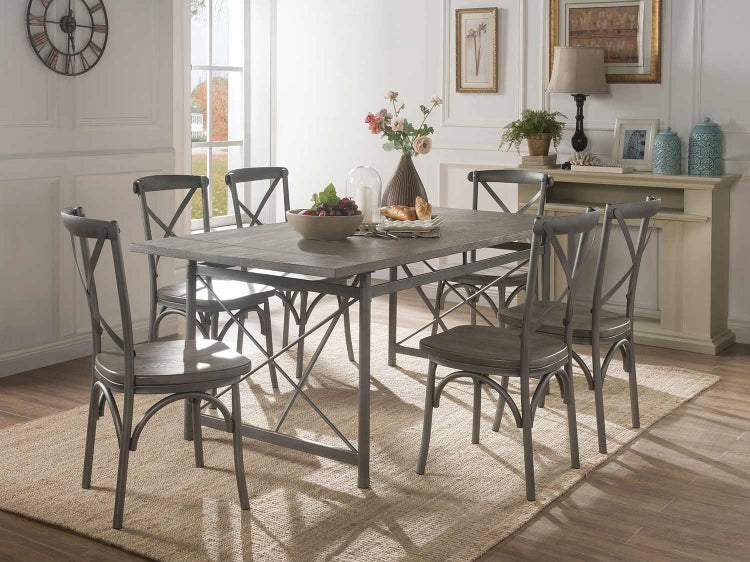
Your dining table is one of the hardest-working surfaces in your house. It handles breakfast spills, birthday dinners, homework marathons, and everything in between. So when it comes time to purchase a new one, the question isn't really about price-it's about what you're getting for your money. This article breaks down exactly what separates furniture that lasts from furniture you'll replace in a few years, so you can spend with confidence.
Well-made furniture often lasts for decades, reducing the need for frequent replacement. A solid wood dining table with quality joinery can serve your family for 10–30 years, while cheap furniture made from particle board often fails within 3–5 years.
Dining room furniture value is determined by materials, construction methods, and design. Solid wood, sturdy joinery, and a durable finish are the three pillars that make any piece worth the investment.
A dining table anchors the whole dining space-it affects how your room looks, how comfortable meals feel, and even your home's resale value.
You don't need to spend a fortune. In 2026, a quality solid wood dining table seating four to six runs roughly $700–$2,500, depending on species, size, and finish.
Think 5–10 years ahead, not just about the near future. Longer-lasting furniture saves you money and hassle compared to frequent replacements of inexpensive pieces.
Consider how often your dining room table actually gets used. For most families, it's the site of three meals a day, weekend hosting, remote work sessions, craft projects with kids, and holiday celebrations. No other surface in the house takes that kind of daily punishment while also being expected to look good doing it.
Here's a concrete comparison. A $300 particle-board table from a big-box store may start sagging, peeling, or wobbling within 3–5 years of regular use. A $1,200 solid wood table, built with proper joinery and a durable finish, can look and perform well for 15–25 years, sometimes longer. Solid hardwood tables commonly endure daily use for 20–50 years, while budget engineered-wood units often begin failing in 5–15 years. Purchasing durable pieces prevents the need for frequent repairs or replacements.
"Worth the investment" doesn't always mean luxury. It means matching quality, durability, and design to how your dining room is actually used. A family with young kids needs stain resistance and sturdy legs more than ornate carvings. A couple who hosts weekly dinner parties might prioritize seating capacity and a finish that hides wine rings. A studio apartment demands a compact, space-saving table that still feels solid.
High-quality dining furniture offers superior durability and long-term cost savings. Think about the total cost of ownership: replacing a cheap table every five years over two decades means buying four tables. That $300 table becomes $1,200 in cumulative spending, plus delivery fees, disposal costs, and the hassle of shopping again. Spending more up front can be economical if the furniture lasts decades instead of needing replacement.
The rest of this article breaks down materials, construction, comfort, style, and resale value so you can decide exactly how much to invest in your dining room.

Materials are the single biggest predictor of how your dining room table and chairs will look and perform after 5–10 years. Quality materials in furniture lead to better longevity, plain and simple.
Solid wood refers to planks of real wood, premium hardwoods like oak and walnut, plus species like maple, ash, and cherry. These are dense, strong, and capable of being sanded and refinished when scratched or worn. Solid hardwoods like oak, walnut, maple, and cherry are more durable and can be refinished multiple times over their lifespan. Solid wood is valued for its grain structure, density, and capacity for repair, which is why it remains the gold standard for dining tables.
High-quality pieces use solid woods, sturdy metals, or high-grade veneers. Higher-end tables use premium-grade lumber with fewer knots, giving the surface a cleaner, more consistent look. Luxury furniture is made from higher-grade materials, which is part of why those pieces command their price.
Mass-produced pieces often use MDF, particle board with faux wood print, or hollow-core construction. These materials tend to chip, swell with moisture, or delaminate over time. High-quality veneer over plywood can perform well, while particleboard tends to have a shorter lifespan. If you're looking at veneer, check that the core plywood substrates are far more stable than particleboard.
|
Material |
Pros |
Cons |
|---|---|---|
|
Oak |
Hard, durable, strong grain, takes stain well |
Heavier, needs edge sealing |
|
Walnut |
Rich color, beautiful patina |
Costlier; shows scratches on the dark tone |
|
Maple |
Very hard, smooth surface |
Shows dirt on light color, can be amber |
|
Rubberwood |
Affordable solid wood |
Less dense, shorter life than oak or walnut |
|
Mahogany |
Classic look, medium-hard, ages beautifully |
Expensive, less commonly available |
|
Glass |
Elegant, easy to clean |
Smudges, fragile, not repairable |
|
Marble/Ceramic |
Heat-resistant, dramatic look |
Heavy, porous stone stains can chip |
Solid wood tables are more durable and visually appealing. They're also more distinctive than manufactured wood options, which is why most tables in the high-end category use real wood.
For a quality solid wood dining table seating four to six, expect roughly $700–$2,500, depending on species, size, and features. Entry-level solid hardwood tables (rubberwood, smaller sizes) start around $600–$800. Mid-range hardwoods like oak or walnut in standard sizes run $1,200–$3,000. Custom or exotic wood pieces go higher.
For chairs, look for frames in solid wood or metal. Performance fabric upholstery with high rub counts (30,000+ double rubs) or full-grain leather resists stains and wear in a busy dining room far better than inexpensive polyester blends.
Construction details-joinery, frame design, and thickness-are what prevent wobbles, cracks, and sagging. You may not notice them at first glance, but you'll feel them every time you sit down to eat.
Look for sturdy construction with strong joinery rather than assembly by screws, staples, or glue alone. High-quality pieces are often made from hardwoods using traditional joinery methods like mortise-and-tenon, dowels, dovetails, and corner blocks. Research has shown that mortise-and-tenon joints reinforced with steel dowels have superior shear and bending strength compared to simpler fastening methods. Strong joinery methods help furniture remain sturdy through years of daily use.
Luxury furniture undergoes a higher standard of construction. Handmade furniture features attention to detail, including smoothed edges and reinforced stress points-details you won't find in mass-produced pieces assembled with a few cam locks and an Allen key.
A solid wood tabletop of about one inch or more helps reduce warping and sagging, especially on longer rectangular tables. Legs should be robust, not thin decorative posts that flex under pressure. The apron (the frame just beneath the tabletop) should be substantial and properly joined to the legs. High-quality dining sets are built to last for decades, resisting daily wear and tear.
If you need an extendable dining table, check the hardware carefully. Quality extensions use smooth sliding mechanisms, locking systems that prevent gaps or wobbles, and leaves that sit flush when inserted. Cheap extensions often rely on weak drop-in supports that create instability. Test the mechanism in the store before you purchase-open and close it, sit at the extended end, and see if it holds steady.
Gently shake the table at the corners to test for looseness. Press down in the center of long boards to check for sag. Listen for creaks. Inspect the underside for corner blocks, glue lines, and reinforcement. These quick tests reveal more about construction quality than any product description.
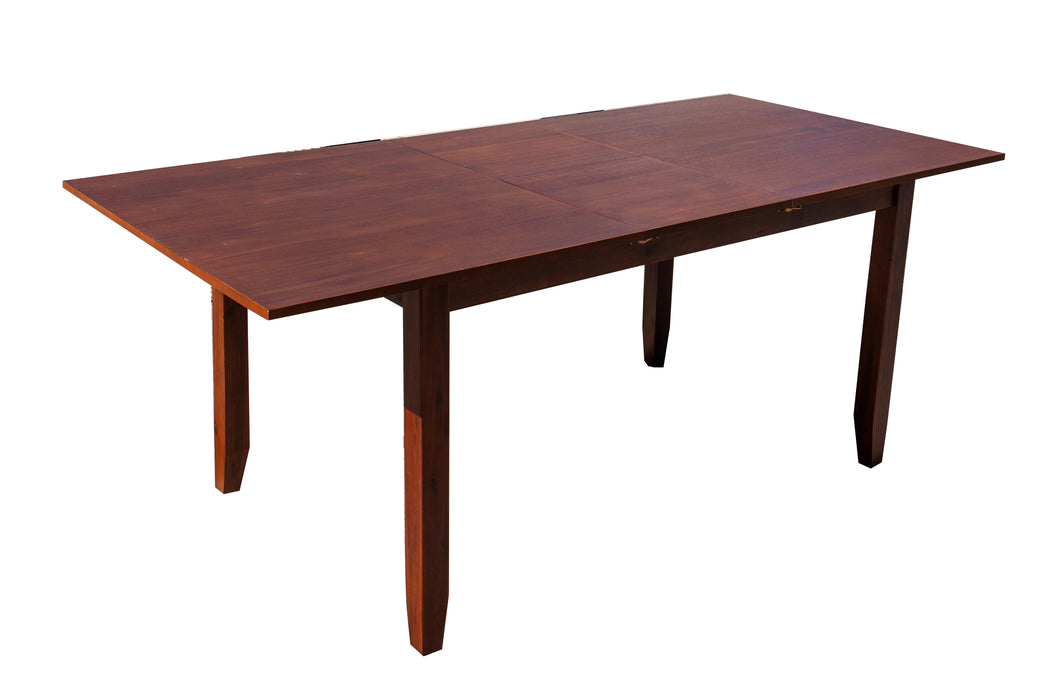
A durable finish helps resist scratches, moisture, stains, and heat from everyday use. It's the layer standing between your beautiful wood surface and the reality of daily life-water rings, hot plates, crayons, and red wine.
|
Finish |
Protection Level |
Repairability |
Best For |
|---|---|---|---|
|
Hardwax Oil |
Medium |
Easy (spot repair) |
Natural look, families |
|
Polyurethane |
High |
Difficult (full strip) |
Heavy daily use |
|
Lacquer |
Medium-High |
Moderate |
Smooth sheen, lighter use |
|
Oil-and-Wax |
Low-Medium |
Very easy |
Rustic look, low-traffic |
Quality pieces often use multi-step or hand-applied finishes for enhancement and protection. A polyurethane-finished oak table can stand up to daily family use for years, while a thin veneer with minimal finish may bubble when exposed to moisture.
Solid wood furniture can often be refinished or repaired, extending its useful life. A dining table with an oil or hardwax finish can be spot-sanded and recoated without stripping the whole surface. Solid wood tables require only occasional refinishing to maintain appearance. High-quality dining tables require minimal maintenance over time, usually just regular cleaning and periodic recoating.
When you shop, run your hand along the edges and the underside of the table. Look for even coverage, consistent sheen, and no rough or raised grain. Check seams and joints for gaps in the finish. Unfinished or thinly coated undersides suggest the maker cut corners, and moisture can enter from below just as easily as from above.

A dining set is only worth the investment if people genuinely enjoy sitting there, for quick weekday breakfasts and long weekend dinners alike. No amount of premium materials matters if your back aches after twenty minutes.
Standard dining table height runs about 29–30 inches from floor to tabletop. The chair seat height should sit around 17–19 inches. This relationship allows for a comfortable posture and proper leg clearance. Avoid tables with aprons if you have tall family members, as the apron reduces knee clearance. Tables with flush legs maximize usable seating space.
Base type directly affects how comfortable the table is to sit at:
Four-leg bases: Classic, but corner legs can obstruct end seats.
Pedestal bases: Provide ample space for legs and make it easier to pull chairs in and out. Round tables with a single leg improve chair accessibility.
Trestle bases: Great legroom along the sides; may restrict end seats depending on stretcher placement.
Each diner should have 22 to 24 inches of space at the table for comfortable elbow room. Allow at least 10 inches of knee clearance under the apron. Behind each chair, leave 36 inches so people can pull out and sit down without bumping walls or other furniture. Measure your dining area and subtract 6 feet for table size to determine what fits.
Quality chairs are designed for better comfort, stability, and proper weight distribution. Look for contoured seats, supportive backs that follow the lumbar curve, and high-density foam cushioning that won't flatten after a year or two. A sturdy frame matters here, too-chair joints take enormous stress from the repeated act of sitting down, shifting, and pushing back.

Craftsmanship affects the visual aesthetic of dining tables, but so does choosing a silhouette that won't feel dated in five years. Timeless, well-proportioned designs tend to stay appealing across changing decorating trends, which means you won't feel the urge to replace a table just because your interior design preferences evolve.
Interior designers consistently recommend forms that work across many decor styles:
Parsons tables: The Parsons table design originated from a 1930s challenge at Parsons School, and its clean lines remain relevant nearly a century later.
Scandinavian-inspired slab tops: Simple, minimal, with tapered legs.
Farmhouse tables: Warm, approachable, with thicker tops and sturdy legs.
Round pedestal tables: Versatile and sociable, ideal for smaller rooms.
These timeless pieces pair well with almost any chair style-from an upholstered accent chair to a simple bentwood seat-allowing your personal style to evolve without replacing the table.
Rectangular tables fit better in rectangular rooms and long, narrow dining spaces. Round tables provide more space to move around in a room and work beautifully in square layouts or open-plan apartments. For a 10×10-foot dining area, a round table seating four preserves usable floor space and visual openness.
Solid wood tables are more visually appealing and distinctive than manufactured wood. The thickness of the top should scale with overall size-a large table benefits from a 1¼-inch or thicker top, while a small table can carry a thinner profile. Slender legs on a large top look unstable; massive legs on a small top visually overpower the room. Luxury furniture often features unique design elements that elevate the piece beyond generic mass-produced pieces.
Neutral finishes-natural oak, warm walnut, matte black metal-make it easier to change your color palette, swap a rug, or paint a wall without the dining table clashing. High-quality dining furniture elevates the overall aesthetic and value of a home, acting as a stable foundation around which decor can rotate freely.
Here's a simple way to evaluate any furniture purchase: cost per year.
A solid wood dining table costing $1,500 that lasts 15 years works out to about $100 per year. A budget table costing $400 that needs replacement every 4–5 years costs $80–$100 per year-but with more disruption, zero resale value, and the hidden costs of shopping, delivery, and disposal each time. Spending more up front can be economical if the furniture lasts decades instead of needing replacement.
High-quality furniture retains value over time. Solid wood tables in classic styles often hold 50–70% of their retail value on the second-hand market when well-maintained. Solid wood furniture typically has a higher resale value than cheaper alternatives. Unique, well-designed pieces hold higher value, especially if they come from respected designers.
Consider this scenario: you buy a solid oak dining table for $1,800. Eight years later, your family grows, and you need a larger table. You sell the oak table online for $1,000–$1,200, then put that money toward a bigger piece. Compare that to throwing away a damaged budget table and starting from zero.
Even if resale isn't your goal, high residual value is a signal that the furniture is well-regarded and built to stand the test of time, reinforcing that it was worth the investment.
Not every situation calls for a high-end dining room set. Your life stage, budget, and housing plans should all influence how much you invest.
You own your house and plan to stay five or more years
You host friends or family weekly-the table is a social hub
You want a "forever" dining room table that can become an heirloom (solid wood tables can last for generations as heirlooms)
You value craftsmanship and want a piece that reflects your personal style for the long haul
Short-term rentals or first apartments where affordability and portability matter
Homes with toddlers where heavy wear is expected (save the premium purchase for when kids are older)
Transitional living situations where you might move in the near future
You don't have to buy everything at once. Many interior designers suggest buying a high-quality table first-it's the anchor of the room-and upgrading chairs later as budget allows. Or, if comfortable seating is your priority, invest in good-quality chairs now and pair them with a more affordable table you plan to replace down the road.
A rough budget framework: for many households in 2026, allocating 10–20% of a living and dining furnishing budget to the dining table alone is a sensible guideline, with additional funds set aside for chairs, lighting, and decor.
Use this checklist next time you shop-whether in a store, online, or at an estate sale.
Materials:
[ ] Confirm real wood (check edges for continuous grain and visible end-grain) or high-quality veneer over plywood
[ ] Avoid particle board cores-they're heavy but fragile and prone to moisture damage
Construction:
[ ] Shake the table at corners and legs-no movement or creaking
[ ] Press down on the center of the tabletop to test for flex or sag
[ ] Inspect the underside for corner blocks, reinforcement, and consistent joinery
Finish:
[ ] Run your hand along the edges, and the underside finish should be smooth and even
[ ] Look for consistent sheen across all surfaces, including joints
Comfort:
[ ] Sit at the table with chairs for several minutes-check legroom, posture, and seat comfort
[ ] Measure your dining space and doorways in advance (length, width, clearance for pulling out chairs)
Value:
[ ] Ask about warranty length, care instructions, and whether replacement parts (extension leaves, hardware) can be ordered later
[ ] Compare 2–3 options in the same price bracket-the differences in weight, stability, and finish quality will tell you which to invest in
A well-chosen table doesn't just fill a room-it defines how the space feels and functions. Here are three scenarios to illustrate.
Scenario 1: Compact City Dining Alcove. A 42-inch round table in solid oak with a pedestal base fits perfectly in a 10×10-foot dining room. The single base gives everyone ample space to sit comfortably. A hard-wax-oil finish in natural oak warms the room, and a low-hanging pendant mirrors the table's shape. It's proof that small can feel generous.
Scenario 2: Open-Plan Family Living An eight-foot rectangular oak table with a thick 1¼-inch top and trestle base anchors the combined kitchen-dining area. Seating for eight. A water-based polyurethane finish handles spills from kids and makes cleanup fun rather than stressful. A rug underneath frames the dining zone within the open floor plan, while overhead lighting draws the eye to the tabletop's grain.
Scenario 3: Small Flat, Occasional Hosting: A five-foot extendable table that opens to seven feet, built in solid ash with smooth slide hardware. When closed, it seats four for everyday meals. When friends visit, it expands without wobble or gaps. A neutral finish suits whatever wall paint or decor surrounds it, so when the color palette changes, the table stays relevant.
In all three cases, lighting, rugs, and wall color interact with the table finish to make the whole dining space feel cohesive. The table is the investment; everything else can shift around it. If you're looking for more posts on choosing chairs, lighting, or storage to complete your dining room, those decisions become much easier once the centerpiece is sorted.

For a new, well-made solid wood dining table seating four to six people, a realistic range in 2026 is roughly $700–$2,500, depending on wood species, size, and construction. Veneer tables with a solid wood frame can be found for less but may not last as long, while custom or artisan pieces can go well beyond this range. If you're furnishing the whole dining room from scratch, set aside an additional 30–50% of the table budget for matching or complementary chairs. You can always save by shopping estate sales or clearance events at your local store, where solid wood pieces sometimes appear at steep discounts.
Solid wood is generally more repairable, more robust, and ages better, which often makes it more worth the investment over the long term. A solid wood table can last for generations as an heirloom. That said, high-quality wood veneer over a stable plywood core can still be a good option if the veneer is thick and well-applied. The problem arises with thin, cheap veneers over particle board; these tend to chip and peel, and once damaged, repair is essentially impossible. Ask about core material and look closely at table edges to judge veneer thickness. If you can see a paper-thin layer at the edge, walk away. Products from places like Ikea can suit a temporary need, but for a long-term purchase, prioritize real wood or thick veneer over solid substrate.
With normal home use and basic care, a solid wood dining table with quality joinery should comfortably last 10–20 years, and often much longer. Solid wood tables can last for generations as heirlooms when maintained properly. Well-built chairs can also last a decade or more, though upholstered seats may need re-covering or new foam after 7–10 years, depending on fabric and padding density. Heavy use, moisture, and lack of maintenance can shorten lifespan, while periodic cleaning, refinishing, and tightening hardware can extend it significantly. Most tables built with good materials and traditional joinery will outlive several rounds of home furnishings changes.
Young kids are tough on furniture, and that should absolutely factor into your decision. But "expensive" doesn't have to mean "delicate." Choose durable, forgiving finishes-matte textures, lightly grained woods-and sturdy solid wood construction over high-gloss or soft, porous stone tops during the toddler years. Protect the surface with placemats and coasters, and embrace the character marks as part of the table's story. A smart strategy: invest in a robust but not ultra-luxury table now, and plan to refinish it once kids are older if desired. Solid wood makes this possible; particle board does not.
In compact dining rooms and open-plan apartments, a round table or small oval often works best because it improves flow and can seat more people in a tight footprint. Round tables provide more space to move around in a room and eliminate sharp corners that can catch hips and elbows. Rectangular tables fit better in rectangular rooms but may feel cramped if there isn't enough clearance for chairs and walking space. Before you purchase, tape out the footprint of different shapes on the floor. Leave at least 36 inches of clearance around the table wherever possible. When you're verifying the security of your measurements, double-check doorway widths, too. Many buyers fall in love with a table at the store only to discover it won't fit through their front door. Some online retailers also use a security service to verify delivery dimensions before shipping, which can save you from an expensive return.

Create a dining space you'll love with Dining Room Furniture at Mare Blu Furniture, featuring quality furnishings that blend style, comfort, and everyday functionality. Whether you're looking for a modern dining table, comfortable seating, a complete dining set, or practical storage pieces, you'll find options to suit your home.
Visit Mare Blu Furniture today to browse our Dining Room Furniture collection and discover pieces that fit your space, personal style, and budget. Our knowledgeable team is ready to help you choose durable furniture that creates the perfect setting for family meals, celebrations, and everyday living.
Delivery
Check what it costs to get this order to your door.