
NOTICE: WE ACCEPT CASH OR ZELLE PAYMENT ONLY.
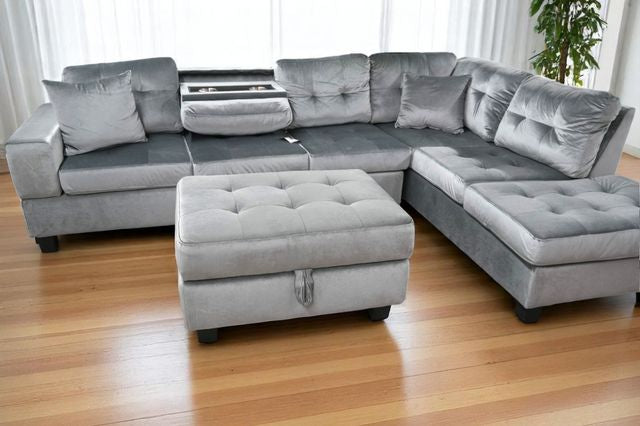
The living room furniture that actually works for your daily life has little to do with what’s trending on social media. It has everything to do with how you spend your time in that space, whether that’s binge-watching shows, working remotely three days a week, hosting family dinners, or keeping toys contained while kids play.
Most living rooms fall into predictable size ranges: compact apartments around 10x12 feet, family rooms measuring roughly 12x18 feet, and open-plan spaces stretching to 14x24 feet or larger. Each demands different solutions, and poor furniture choices can reduce usable floor space by up to 30%. Multifunctional furniture, such as sofa beds, can be a space-saving and versatile alternative to traditional, bulky furniture, especially in small living rooms.
This guide walks through specific furniture types, sofas, tables, storage, lighting, and multipurpose pieces, and explains how each can increase function without making your room feel cramped. You’ll find that layout, scale, and multi-functionality matter as much as the furniture itself. The examples here apply to small, medium, and large living rooms, with practical tips for both renters and homeowners.

A truly functional living room is more than just a collection of stylish pieces; it’s a space where comfort, practicality, and aesthetics work together to support your daily life. The right living room layout can make a significant difference in how the room feels and functions, whether you’re relaxing with family, entertaining guests, or simply unwinding after a long day. When planning your living room, start by considering how you’ll use the space and how many people it needs to accommodate. Choosing living room furniture that fits your available floor space is key; a sofa and coffee table that are scaled to the room will promote easy conversation and relaxation without making the space feel cramped. In a small living room, smart furniture arrangement and clever storage solutions can help maximize space, turning even the most compact room into a cozy, inviting retreat. By focusing on both the layout and the pieces you select, you can create a living room that feels open, organized, and perfectly suited to your needs.
The sofa typically occupies 40-60% of your seating area and gets used more than any other piece. Getting its size, shape, and placement right solves half of your functionality issues before you buy anything else. When arranging your living room, consider how all furniture pieces, such as sofas, loveseats, and accent tables, work together to create a cohesive and functional layout.
Your room shape should drive your sofa choice. Long rooms (12x24 feet) call for different solutions than nearly square rooms (14x15 feet). Before shopping, measure and commit to these minimums:
30-36 inches of circulation space around main walkways to prioritize function and traffic flow
16-18 inches between the sofa and the coffee table for comfortable legroom
At least 3 feet behind a floating sofa if you’re creating a zone there
After measuring, evaluate your space for traffic flow, prioritize furniture pieces that match your daily habits, and measure carefully to balance room scale.
In a 10x12 ft room, a 72-78 inch sofa or loveseat usually works better than a full 90+ inch model, which can shrink circulation to under 24 inches and make navigation frustrating.
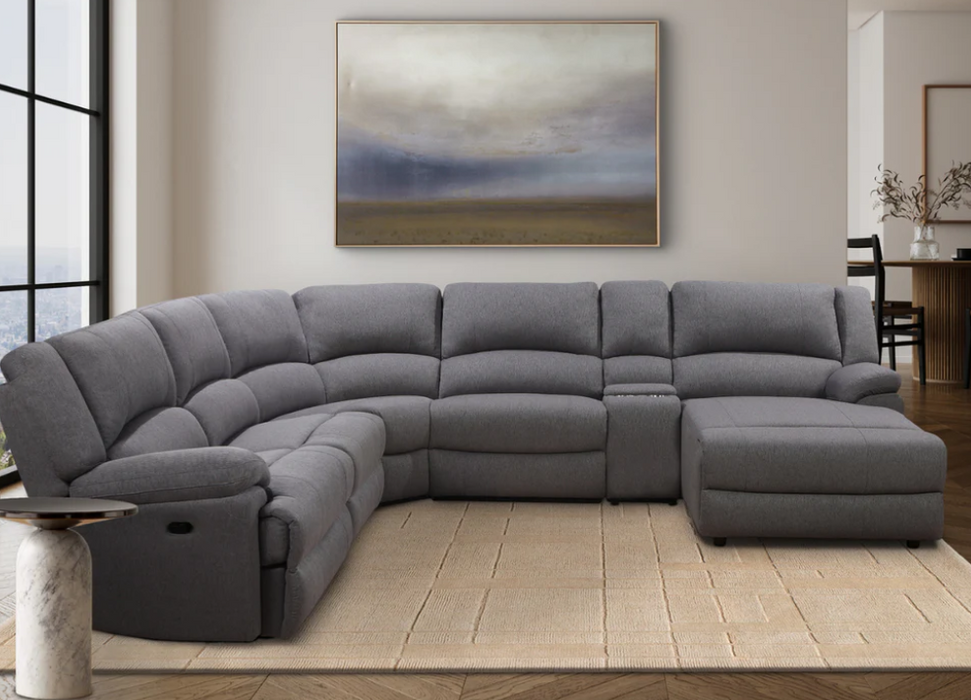
Sectionals shine in medium or large rooms (12x18 feet and up), open-plan areas, and homes that frequently host groups. They maximize perimeter use and can define zones without walls.
For a 12x18 ft family room, consider:
An L-shaped sectional with 8-9 ft main side and 5-6 ft return
One arm facing the TV, the other supporting conversation or window views
Storage chaise that hides blankets and remotes
In open concepts, a sectional sofa acts as a soft room divider, zoning off the living space from the dining room or kitchen. This strategy works in roughly 70% of modern homes that lack traditional partitions.
Choose modular segments when possible. They can be rearranged for movie nights (expanded) or work sessions (narrowed), adapting as your family grows or your needs change.
For rooms under about 11x14 feet, a loveseat (60-72 inches) prevents the cramped feel that comes from squeezing in a full-sized couch. Pairing a small living space loveseat with one or two accent chairs often improves flexibility and traffic flow compared to one oversized piece.
A practical 10x12 ft layout:
|
Piece |
Placement |
Benefit |
|---|---|---|
|
Loveseat |
Centered on the longest wall |
Maximizes walkways |
|
2 chairs |
Opposite the loveseat |
Flexible conversation angles |
|
Round coffee table |
Between them |
Reduces collision points |
Look for designs with raised legs and slimmer arms to increase visual space and make cleaning easier. Loveseats work especially well in multi-use rooms that double as guest rooms, reading spots, or home offices.
Modular sofas consist of separate units, corners, armless seats, and ottomans that reconfigure for different situations. They’re ideal for renters or people who move frequently since modules adapt to varying room shapes.
“Floating” placement means pulling the sofa 3-6 inches from the wall or placing it fully in the room’s center. This creates space for a console table behind it or establishes a walkway to another zone.
Example layout for a 14x20 ft room:
Float a 90-inch sofa about 4 feet from one short wall
Place a narrow console table and lamp behind it
Create a mini work nook in the newly defined space
Plan an outlet near the sofa if you’re using a console table or lamp; true everyday functionality requires accessible power.
Your coffee table and ottoman affect how you eat, work, and relax every single day. These pieces need to handle drinks and laptops, provide extra seating when guests arrive, offer hidden storage, and present safe edges in homes with kids or pets.
Shape matters for movement:
Round or oval: Best for tight or high-traffic spaces (reduces collision risks by about 40%)
Rectangular: Better for longer rooms, where it aligns with sightlines
The right coffee table should be about two-thirds the sofa length and roughly the same height as the sofa seat (or 1-2 inches lower). Easy-care materials like sealed wood, tempered glass, or performance upholstery hold up best in high-use households.

With a typical 84-inch sofa, a 48-54 inch long table feels proportional and functional. Space is 16-18 inches from the sofa edge for comfortable legroom, and maintain at least 30 inches for primary walkways around the edges.
Functional designs to consider:
Lift-top tables that convert to laptop desks or eating surfaces
2-tier tables with lower shelves for baskets and books
Nesting sets that expand for entertaining and stack away after
Rounded corners reduce bumps in a small room or homes with active kids. In very small living rooms, two nesting tables can replace one large coffee table, reclaiming 10-15 square feet when stored.
Storage ottomans handle triple duty: coffee table (with a tray on top), footrest, and extra seating. They’re essential in homes lacking built-in storage.
In a 10x13 ft living room, a 30-36 inch square upholstered ottoman in front of a loveseat can replace a hard coffee table and hide blankets, toys, or gaming gear. Two smaller poufs that tuck under a console table pull out for guests and disappear when you need more floor space.
Choose durable, stain-resistant upholstery for family use, or leather-look materials that wipe clean easily; both extend piece longevity by 2-3 years in high-use scenarios.
A simple rule makes any living room feel more functional: every seat should have a reachable surface for a drink, phone, or book. Without this, people balance things awkwardly or crowd onto one end of the sofa.
Typical usable heights:
Side tables: 22-26 inches (matching sofa arm height)
Console tables: 30-32 inches tall, 10-16 inches deep
Include at least one closed-storage piece (a drawer or cabinet door) to hide remotes, chargers, and small clutter. Using transparent furniture or closed storage can help reduce visual clutter, making small spaces appear more open and less cramped. Plan furniture placement around outlets so lamps and charging stations work without extension cords crossing walkways.
Aim for one side table per 1-2 seats, keeping tabletops within easy arm’s reach. Different shapes serve different purposes:
C-shaped tables slide under sofas for laptop use
Round pedestal tables fit between two club chairs
Nesting tables tuck away when not needed
In a 12x18 ft living room, a small round table (18-20 inches wide) between a pair of accent chairs near a window creates a dedicated reading zone. For small apartments, at least one table with a drawer acts as a mini command center for mail and keys.
Consider stability if you have kids or pets; avoid ultra-light tables in main traffic paths where they might tip.
A console table behind floating furniture creates a visual boundary and provides extra surface space. A narrow profile (10-14 inches deep) turns dead space behind a sofa or near an entry door into a functional drop zone for keys, bags, and mail.
Media units with closed doors and drawers hide cables, gaming accessories, and devices, improving both aesthetics and function. Size them to be at least as wide as the TV, ideally 6-12 inches wider on each side for visual balance.
Look for consoles with integrated cable management holes and mount a power strip discreetly on the back, this solves 80% of cord-related headaches.
Living rooms collect books, toys, hobby supplies, and tech, whether you plan for it or not. Hidden and open storage pieces keep the room practical and calm, helping maintain a more spacious atmosphere.
Use vertical space (up to 8 ft ceilings) instead of overfilling precious floor space, especially in rooms under 150 square feet. A 12x15 ft living room with one full wall of shelving and cabinets transforms clutter into organized zones.
The ideal mix: roughly 60% display/open shelving and 40% concealed storage. Open shelves suit frequent access but demand styling to avoid visual clutter. Closed cabinets hide bulk but can dominate floor area if overused.

Tall bookcases (72-96 inches) can frame a TV or flank a fireplace, combining display shelves above with cabinets below. This approach maximizes vertical space while keeping frequently used items accessible.
Depth guidelines:
11-13 inches for books and decor
15-18 inches for larger items like records, games, or wide baskets
Choose adjustable shelves so the layout adapts as storage space needs evolve. Secure tall units to the wall for safety in homes with children or in areas prone to earthquakes.
Storage benches placed under windows, behind sofas, or at the room’s entrance provide both seating and hidden storage. In a 10x14 ft living room, a 48-60 inch storage bench under a front window holds shoes, toys, and blankets while doubling as a reading perch.
Build a continuous seating zone using multiple ready-made benches along one wall. Add cushions with durable, washable covers for daily comfort.
During gatherings, benches provide 4-6 extra seats without the footprint of multiple chairs, a significant difference in available space.
Extra seating should be easy to move, comfortable for a full evening, and scaled properly. In rooms under 11 feet wide, slimmer chairs rather than a second bulky sofa improve function and circulation, creating more space and making the room feel open and airy.
Chairs also define zones: a cozy seating area for reading, a conversation cluster for entertaining, or a small work nook near a window. Mix in at least one lightweight, movable seat for flexible guest seating.
Swivel chairs excel in rooms with multiple focal points. They rotate easily between TV, fireplace, and window views, making the space feel larger than separate static chairs would.
Slipper chairs (armless, lower-profile seats) work in tight spaces like 10x12 ft rooms where arms would crowd pathways. Two swivel chairs facing a fireplace can rotate toward a TV on an adjacent wall for movie nights.
Keep chair seat heights within 2-3 inches of the sofa seat height for comfortable conversation groups. Include at least one supportive, upright chair for reading or laptop work, not only deep lounge options.
Narrow benches against a wall or behind a sofa add seats without cutting the room in half. Upholstered stools and poufs tuck under consoles or coffee tables when not in use, creating more floor space.
An entertaining setup for a 12x18 ft room:
One sectional sofa (seats 3-4)
Two accent chairs
Two poufs that pull out for guests
Total comfortable seating: 7-8 people
Benches double as makeshift coffee tables or luggage stands when topped with a sturdy tray. Choose materials that handle frequent moving, solid frames, and durable fabrics that last longer.
A functional living room needs ample lighting for TV, reading, working, and relaxing, often in the same day. Layered lighting prevents that awkward moment when one activity leaves everyone squinting.
The three basic layers:
Ambient: Overall ceiling light
Task: Reading lamps, work lights
Accent: Mood lighting, highlighting art or shelves
Proper placement makes even a small 9x11 ft room feel larger and more usable after dark. Pair lighting with side furniture so switches, cords, and surfaces stay convenient. Choosing furniture with slender profiles and raised legs can also create more visual space, making the room feel larger and more open.

Floor lamps (around 60-70 inches tall) create reading spots without requiring a side table in every corner. Position them behind or beside sofas and chairs.
Slim floor lamps work in a narrow living room
Tripod or arc lamps fill an empty corner in spacious rooms
Picture lights highlight a gallery wall or artwork
Place table lamps on side tables or consoles where cords reach outlets without crossing walkways. Warm light temperatures (2700-3000K) with dimmers provide flexibility for cozy evenings.
Example for a 10x14 ft room: One ceiling fixture, one floor lamp near the sofa, and one small table lamp near the reading chair cover all basic needs.
Wall sconces free up tabletops and floor space, particularly useful in small living rooms and studio apartments. Install a pair on either side of a sofa or around art to create balanced task and accent lighting.
Plug-in sconces work for renters, allowing flexible placement without hardwiring. Built-in lighting under shelves or inside display cabinets makes storage areas more practical at night.
Plan lighting along with your furniture layout so switches and outlets end up in convenient, everyday positions; this affects how the space feels after dark.
Mirrors are one of the most effective tools for making a living room feel larger and brighter. By strategically placing a mirror opposite a window, you can reflect natural light throughout the room, instantly creating a more open and airy atmosphere. In a large living room, mirrors can help reduce the sense of emptiness by visually filling wall space and making the area feel more cohesive. Placing mirrors on adjacent walls or above a fireplace not only enhances the sense of a larger space but also adds a touch of elegance and sophistication to the room. Whether your goal is to make a small room feel more expansive or to bring more light into a darker corner, mirrors are a simple yet powerful way to transform the look and feel of your living room.
In rooms under roughly 130-150 square feet (9x14 ft or 10x13 ft), every piece must earn its place. Multi-functional furniture isn’t optional; it’s essential.
Consulting an interior designer can help you maximize small or long and narrow rooms by advising on furniture placement, spatial layout, and design choices.
Key types to consider:
Sofa beds with built-in storage
Lift-top coffee tables
Folding desks that vanish post-work
Nesting tables that stack to one footprint
Wall-mounted shelves and consoles
Choose lighter-looking pieces, raised legs, thinner profiles, and glass or acrylic surfaces to maximize space visually and keep the room from feeling cramped. Define areas for TV, work, and eating with furniture and area rugs to create zones that make even small rooms feel intentional.
It's also important to identify if the room is a family hub or a formal parlor to determine suitable materials and design.
Sofa beds transform a small space into a guest room without expanding footprint, ideal for studios and one-bedroom homes. Look for easy-open mechanisms and built-in storage for bedding underneath.
In a 10x12 ft multipurpose room:
72-inch sofa bed on the main wall
Wall-mounted shelves for decor and books
Compact side table with drawer
Daybeds with bolsters function as sofas during the day while offering full-length sleeping space when needed. Always measure clearance so the bed unfolds fully without blocking doors or creating an awkward space that traps people.
Nesting tables provide multiple surfaces for guests that stack into one footprint when not needed. Folding desks or drop-front secretaries help work-from-home setups vanish at day’s end.
Wall-mounted desks and slim consoles keep the floor clear in very small spaces. A 9x11 ft living room with a small wall-mounted desk under a window, compact sofa, and single nesting table set maintains an airy atmosphere despite limited space.
Consider foldable accent chairs or stools that store in a closet until gatherings; they create extra space without a permanent commitment.
When floor space is at a premium, making the most of your vertical space is essential for a functional living room. Wall-mounted shelves, tall storage units, and creative wall solutions allow you to store and display items without sacrificing precious floor space. Installing shelves above sofas or along empty walls can keep books, decor, and everyday essentials organized and within reach, while tall cabinets or bookcases provide ample storage for larger items. Wall hooks, baskets, or pegboards can be used to hang jackets, bags, or accessories, adding both function and style to the room. By taking advantage of vertical space, you can keep your living room tidy and maximize storage, all while maintaining a spacious and uncluttered feel.
Designing a narrow living room requires thoughtful furniture arrangement to ensure the space feels both functional and inviting. A sectional sofa is an excellent choice for a narrow living room, as it offers generous seating without overwhelming the floor space. Pairing a sectional with a round coffee table helps soften the room’s lines and provides a practical surface for drinks and snacks. To further maximize space, opt for furniture that’s proportional to the room; slim dining tables or console tables can add extra surface area without crowding the walkway. By carefully selecting and arranging your living room furniture, you can create a layout that feels open and comfortable, making even the most challenging narrow living room a welcoming place to relax and entertain.
Rugs and thoughtful furniture arrangement let each piece create clear zones for conversation, TV watching, working, and play. Functionality improves when the room has obvious “jobs” for different areas rather than a single, undefined open space.
Basic circulation rules:
Aim for at least 30 inches of walkway in main routes
Avoid pushing all furniture against walls (it creates corridors, not conversations)
Keep conversation clusters within 8-9 feet of each other
Larger rugs make rooms feel both cozier and more intentional, even in small spaces. A correctly sized rug (often 8x10 or 9x12 feet in average living rooms) helps unify seating and prevents floating, disconnected pieces.
In a 12x18 ft room, an 8x10 or 9x12 rug typically allows the front legs of all main furniture to sit on it. Layering a smaller patterned rug (5x7) over a larger neutral one can define a reading or conversation zone in a long room.
For open-plan layouts, separate rugs under the living and dining table areas help each zone function as a distinct “room.” Low-pile or flatweave rugs work best in high-traffic living rooms; they reduce tripping and make vacuuming easier.
Start with a simple priority order:
Decide the room’s primary focal point (TV, fireplace, window view)
Place the largest piece first (usually the sofa)
Add secondary seating angled toward multiple seating areas
For conversation-focused rooms, seats should be within 8-9 feet of each other and oriented so people face one another, not just the screen.
A mixed-use living room layout example:
Sofa facing TV
Pair of chairs angled toward both TV and fireplace
Clear a 3-foot path behind or beside the seating group
Don’t push everything against walls in small rooms. Floating at least one piece creates a more inviting center and logical walking paths.
Test layouts with painter’s tape on the floor before buying large accent furniture; it saves money and regret.
Window treatments do more than just add style; they play a crucial role in the function and comfort of your living room. The right curtains, blinds, or shades allow you to control natural light, reduce glare, and create privacy, all while complementing your decor. In a small living space, opt for window treatments that are sleek and space-efficient to avoid overwhelming the room. If your living room flows into a dining room or kitchen, consider using a room divider or tall curtains to define separate zones and add extra storage or display space. With thoughtful window treatments, you can enhance the coziness and versatility of your living room, making it a comfortable retreat for any time of day.
Functional living rooms result from deliberate choices: a right-sized sofa, practical tables and ottomans, ample storage, flexible seating, and layered lighting. None of these requires matching sets or designer price tags.
Before purchasing anything, measure your actual room and list your main activities, movie nights, remote work, kid play areas, and hosting. This clarity guides every decision that follows.
A simple action plan:
Measure and sketch your living room layout
Choose the sofa based on the room shape and size
Add surfaces (coffee table, side tables) and lighting
Layer in storage and flexible seating
Remember that comfort and practicality matter more than aesthetics alone. Clear walkways, reachable surfaces, enough space for guests, and manageable clutter make daily life easier, and that’s what functionality actually means.
Revisit each furniture category as your needs change over time. A room that worked perfectly for a couple might need adjustments for a growing family, and the flexibility of layout ideas is exactly what functional furniture provides.

Upgrade your home with living room furniture at Mare Blu Furniture today and create a space that is comfortable, stylish, and perfect for everyday living. Whether you are looking for sofas, sectionals, recliners, or complete living room sets, you will find options designed to bring both comfort and function into your space. Mare Blu Furniture offers a variety of designs that make it easier to match your personal style while keeping your home practical and inviting.
Now is the perfect time to refresh your living area. Get living room furniture at Mare Blu Furniture now and enjoy a space where you can relax, entertain guests, and spend quality time with family in comfort.
Delivery
Check what it costs to get this order to your door.