
NOTICE: WE ACCEPT CASH OR ZELLE PAYMENT ONLY.

Shopping for a new mattress can feel overwhelming. With dozens of mattress types, firmness levels, and materials competing for your attention, it’s easy to spend hours researching without getting closer to a decision. The truth is, finding the right mattress comes down to a handful of key factors that directly impact your sleep quality and how you feel when you wake up.
This comprehensive mattress buying guide breaks the process into clear, actionable steps. You’ll learn how your sleep position, body weight, and personal preference combine to determine what mattress will actually work for your sleep needs. Whether you’re dealing with back pain, waking up too hot, or simply replacing an old mattress that’s seen better days, this guide gives you the framework to choose a mattress with confidence.
If you’re short on time and want a quick answer, here’s the streamlined process that works for most sleepers. Start by identifying your primary sleep position, the position you wake up in most often, not necessarily how you fall asleep. Next, match your body weight to an appropriate firmness level, generally softer for lighter bodies and firmer for heavier ones. Then select a mattress type based on whether you prioritize pressure relief (foam), balanced support and cooling (hybrid), or responsive bounce (innerspring or latex). Set a realistic budget that accounts for delivery and potential return fees, and finally, either test in-store for at least 10-15 minutes or take advantage of online trial periods that let you sleep on the bed for weeks before committing.
Here’s a concrete example: a 155-pound side sleeper experiencing shoulder pain should start with a medium-soft hybrid mattress or foam mattress with thick comfort layers to cushion pressure points while maintaining spinal alignment. This combination addresses both the pressure relief needs of side sleeping and provides adequate support for that weight range.
For most adults shopping in 2026, a medium or medium firm mattress in a hybrid construction will be the sweet spot unless you’re under about 130 pounds (where softer works better) or over 230 pounds (where firmer provides maximum support). If you want deeper guidance on any of these factors, scroll down to the detailed sections on sleep position, firmness levels, and mattress types below.

Your mattress directly affects how deeply you sleep, whether you wake up with morning stiffness, and your long-term spinal health. A comfortable mattress that provides proper support allows you to cycle through sleep stages without interruption, while a poorly matched bed creates pressure points that cause tossing, turning, and fragmented rest. The cumulative effect of sleeping on the wrong surface shows up as chronic fatigue, joint pain, and reduced daytime function.
The mechanics are straightforward: a good mattress lets your shoulders and hips sink slightly into the comfort layers while supporting your lower back to keep your spine aligned close to its natural position. When you achieve this balance, your muscles can fully relax rather than working overtime to compensate for inadequate support. The result is deeper sleep and less morning discomfort.
Sleep surveys from 2024-2026 consistently show that waking up stiff, sleeping hot, and experiencing lower back soreness rank among the top complaints, and all three tie directly to mattress problems. Stiffness often signals inadequate pressure relief at the shoulders and hips. Heat retention points to dense foam construction without proper airflow. Lower back pain frequently stems from a surface that’s either too soft (allowing the lumbar region to sag) or too firm (creating pressure without contouring).
Most mattresses wear out in roughly 6-9 years under normal use. Clear signs you need a replacement include visible sagging, body impressions deeper than 2-3 centimeters, recurring morning pain that disappears when you sleep elsewhere, and persistent lumps or squeaks that don’t improve with rotation. Continuing to sleep on a degraded mattress compounds the problems above.

Your sleep position is the single biggest factor in determining what mattress will feel supportive and provide a good night’s sleep. Different positions create different pressure patterns and alignment needs, which means the perfect mattress for a side sleeper can be completely wrong for someone who sleeps on their stomach.
Pay attention to how you typically wake up rather than how you fall asleep. Most people shift positions during the night and naturally migrate toward their most comfortable resting position. If you consistently wake up on your side, that’s your dominant sleep style regardless of whether you started on your back.
The four main categories are: side sleepers (the majority of adults), who curl on one side with knees bent; back sleepers, who lie face-up with weight distributed evenly; stomach sleepers, who sleep face-down with the pelvis pressed into the mattress; and combination sleepers, who shift positions regularly throughout the night and need a bed that accommodates multiple postures. Each category has specific requirements for firmness and mattress construction.
For couples with different sleep positions, finding a middle ground matters. A medium to medium firm hybrid mattress often works well because it provides enough contouring for side sleeping while maintaining support for back sleeping. Alternatively, some mattresses offer split firmness options where each side of the bed can have a different feel level.
Side sleepers make up the largest group of adults, and they face a specific challenge: the shoulders and hips create concentrated pressure points that need cushioning, while the waist needs support to prevent the spine from curving downward. Getting this balance wrong leads to shoulder pain, hip discomfort, or lower back strain.
For side sleepers under about 150 pounds, a soft mattress to medium surface typically works best because lighter bodies don’t generate enough pressure to engage the comfort layers of firmer beds. Those between 150-220 pounds generally do well on medium to medium firm mattresses that provide both contouring and support. The key is having thick comfort layers, at least 4-6 centimeters of foam above the support core, that allow the shoulder and hip to sink in properly. A thick mattress often provides a more luxurious feel and extra cushioning, but thickness alone does not guarantee comfort or support.
Memory foam mattresses and hybrid mattresses with substantial foam layers excel for side sleepers because they conform closely to body curves. When testing, you should feel no sharp pressure at the shoulder or hip, and your waist should remain supported without sagging toward the bed. If your current mattress is slightly too firm but otherwise supportive, a mattress topper in soft foam can add the cushioning layer you need.
People with broad shoulders often need even more contouring in the upper portion of the mattress to keep the spine aligned. Zoned designs that are softer in the shoulder area can address this specific need.
Back sleepers need an even surface that maintains the natural curve of the lower back without letting the hips sink too deeply into the mattress. When the pelvis drops below the level of the upper and lower spine, it creates strain in the lumbar region that manifests as morning back pain.
For back sleepers around 150-220 pounds, a medium-firm mattress typically provides the best balance of comfort and support. Those over 220 pounds often benefit from moving toward the firmer end of the spectrum to prevent excessive sinkage under greater body weight. The goal is a surface that keeps your spine aligned in a gentle S-curve similar to standing posture.
Hybrid mattresses and high-density foam mattresses work particularly well for back sleepers, especially designs with zoned support that provide extra firmness under the lumbar region. This targeted reinforcement prevents the lower back from dropping while still allowing appropriate cushioning at the shoulders and buttocks.
A simple test: lie on your back and have someone take a photo from the side, or use a mirror. Your hips and shoulders shouldn’t dip noticeably below your mid-back line. If you see a visible hammock shape, the bed is too soft. Note that too-soft mattresses are a frequent contributor to morning lower back pain in back sleepers. When uncertain, err toward firmer rather than softer.
Stomach sleepers face a unique challenge: the pelvis tends to sink into softer mattresses, causing the lower back to overarch and creating strain throughout the night. This position already puts some stress on the spine, and a plush mattress makes it worse.
Most stomach sleepers do best on a medium-firm to firm mattress, especially those above 150 pounds. Avoid thick, super plush pillow tops or ultra-soft foam layers that allow the hips to drop. The surface should feel supportive enough that your midsection stays relatively level with your chest and legs. A thin comfort layer is fine, but the overall construction needs to provide adequate support to keep the pelvis from sinking.
Combination sleepers who shift positions throughout the night have different needs. They benefit from a medium or medium-firm mattress with a slightly bouncy, responsive feel that makes it easy to change positions without feeling stuck. Memory foam mattresses with slow recovery can feel restrictive for combination sleepers because the material takes time to reshape when you move.
Hybrid mattresses and latex-based designs typically feel more responsive than dense memory foam, allowing easier movement. If you’re a combination sleeper, test comfort in your two most common positions, not just one, and prioritize how easy it is to roll over and settle into a new position.
The standard mattress firmness scale runs from 1 (ultra-soft) to 10 (extremely firm), with most mattresses falling between 4 and 8. Understanding where you fall on this scale is crucial because firmness directly affects both comfort and proper support for your body type.
Here’s a simplified framework mapping body weight and sleep position to the best mattress firmness:
|
Body Weight |
Side Sleeper |
Back Sleeper |
Stomach Sleeper |
|---|---|---|---|
|
Under 150 lb |
4-5 (Soft to Medium) |
5-6 (Medium) |
5-6 (Medium) |
|
150-220 lb |
5-6 (Medium to Medium-Firm) |
6-7 (Medium-Firm) |
6-7 (Medium-Firm) |
|
Over 220 lb |
6-7 (Medium-Firm) |
7-8 (Firm) |
7-8 (Firm) |
An important nuance: firmness perception is subjective and relative to body weight. A mattress rated as “medium” will feel significantly firmer to a 120-pound person than to a 250-pound person because the lighter body doesn’t create enough pressure to compress the materials. This is why following body-weight guidelines matters more than relying solely on firmness labels.
Concrete examples help clarify this: a 130-pound side sleeper typically prefers firmness levels around 4-5 to get proper pressure relief, while a 210-pound back sleeper usually does better on a 6-7 for spinal alignment without excessive sinkage. A 180-pound combination sleeper might land right at 5-6 for balanced comfort across positions.
When in doubt, prioritize support over initial softness. You can always add a plush mattress topper to increase cushioning, but you can’t add support to a mattress that’s fundamentally too soft for your body size. Starting with adequate support and fine-tuning comfort is easier than trying to fix a saggy foundation.
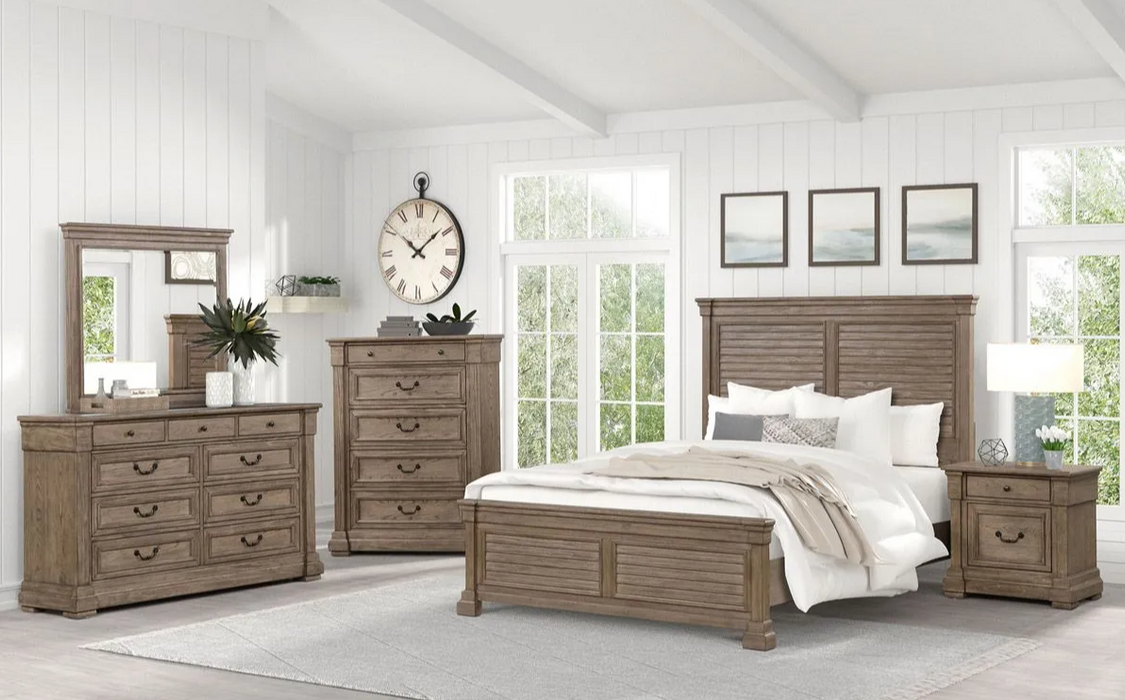
The core materials in a mattress, foam, springs, latex, or combinations, determine how it feels, how cool it sleeps, and how long it lasts. Different constructions suit different sleeper profiles, and understanding the tradeoffs helps you narrow your options quickly.
No single mattress type is universally best. All foam mattresses excel at pressure relief and motion isolation, but may sleep warm. Innerspring mattresses offer bounce and breathability but less contouring. Hybrids aim to split the difference. Latex provides durability and responsiveness, but at a higher cost and weight.
When evaluating mattresses, pay attention to density, coil gauge, and construction quality rather than marketing terms like “cloud comfort” or “luxury plush.” These descriptors don’t tell you anything meaningful about materials or longevity. A mattress manufacturer can label almost anything however they choose, so focus on specifications. Researching mattress manufacturers, including their reputation and customer feedback, is also important for ensuring product quality and satisfaction.
Many 2026 mattresses blend materials in hybrid designs that combine coil support cores with foam layers and comfort systems. This middle-ground approach works well for a wide range of sleepers and has become increasingly popular. Those who share a bed tend to sleep hot or have back pain and should pay particular attention to the motion isolation, temperature regulation, and support features described in the following subsections.
Memory foam contours closely to your body shape, providing strong pressure relief that side sleepers and people with joint pain particularly appreciate. The material absorbs movement effectively, making memory foam mattresses excellent for couples where one partner’s motion might otherwise disturb the other. When someone enters the bed or changes positions, the foam layers absorb movement rather than transferring it across the surface.
Quality varies significantly in foam construction. Higher-density foam, around 1.8 pounds per cubic foot or above in the support core, typically lasts longer and provides more stable support than lower-density alternatives. Density information isn’t always prominent in marketing, but it’s worth seeking out for durability assessment.
A common complaint about foam mattresses is heat retention. Traditional memory foam traps body heat and can make some people sleep hot. Modern solutions include breathable covers, perforated foam designs, and gel-infused foam layers that improve airflow and help the mattress sleep cool. If temperature regulation is a priority, look specifically for these features rather than assuming all foam beds run warm.
Foam works well for people easily woken by partner movements and those who want a quiet sleep surface. However, very heavy sleepers (over 230 pounds) may find all foam mattresses less durable over time and should consider reinforced designs or hybrid constructions for better long-term support.
A hybrid mattress combines a coil support core with foam or latex comfort layers, aiming to deliver the bounce and breathability of springs alongside the pressure relief of foam. This construction has become popular because it addresses multiple needs simultaneously rather than requiring tradeoffs.
Pocketed coils, individually wrapped springs that move independently, are standard in quality hybrids. This design reduces motion transfer compared to traditional connected spring systems while providing good motion isolation for couples. The coil support structure also allows more airflow than solid foam, making hybrids suitable for hot sleepers concerned about heat retention.
The steel springs provide strong edge support, meaning you can sit or sleep near the perimeter without feeling like you’re rolling off. This matters for couples who use the full surface area and for anyone who sits on the edge of the bed frequently.
Hybrids work particularly well for couples, those who sleep hot, and people over about 180 pounds who want both contouring comfort and sturdy long-term support. When evaluating options, coil count and gauge (wire thickness) influence durability; more coils and thicker steel generally indicate better construction. Hybrid mattresses typically cost more than simple foam beds but usually provide a longer functional lifespan and greater overall stability.
Traditional innerspring mattresses feature a coil support core topped with thinner comfort layers of fiber padding, foam, or both. This construction produces a firmer, bouncier feel compared to foam-based options, with a responsive “on the bed” sensation rather than the “in the bed” envelopment of memory foam.
Innerspring mattresses generally sleep cooler than basic foam due to better airflow through the coil structure. However, they provide less contouring, which can be problematic for side sleepers with joint pain who need enhanced pressure relief at the shoulders and hips. The thinner comfort layers don’t cushion pressure points as effectively.
Back sleepers and stomach sleepers who prefer a responsive, bouncy feel often do well with innerspring designs. The firm surface keeps the pelvis from sinking and makes it easy to shift positions throughout the night. If you’ve always preferred the feel of a traditional mattress over the newer foam constructions, innerspring remains a valid option.
Look for models with at least a modest foam or pillow-top layer if you want better pressure relief than a bare coil surface provides. Budget innerspring mattresses commonly sell under $500 for a queen-size mattress and work well for guest rooms or short-term use, where long-term durability matters less. For primary use, investing in higher-quality construction pays off.
Latex mattresses use natural or synthetic rubber foam that produces a buoyant, responsive feel distinctly different from the slow-sinking sensation of memory foam. The material pushes back as you press into it, making position changes easier while still providing good pressure relief.
Latex tends to sleep cooler than many basic foam constructions and demonstrates greater durability over time, making it a solid long-term investment despite higher upfront costs. For buyers prioritizing natural materials and fewer synthetic components, latex and latex-hybrid designs offer an alternative to petroleum-based foams.
Practical limitations exist: latex mattresses are significantly heavier than foam alternatives, which complicates moving and rotating. They also command premium pricing that doesn’t fit all budgets. However, the longer lifespan can offset the initial cost when calculated per year of use.
Latex and latex-hybrid designs work especially well for combination sleepers who want both proper support and easy movement at night. The responsive nature of the material allows you to shift positions without fighting against slow-conforming foam, while still providing enough contouring for side sleeping comfort.
Beyond sleep position and firmness preference, your body type, any existing pain conditions, and daily lifestyle factors all influence how a mattress performs for you over time. Getting these elements right prevents common mismatches that lead to returns or buyer’s remorse.
For lighter sleepers under about 150 pounds, slightly softer comfort layers help the body sink enough to get proper pressure relief. Firm mattresses that work well for heavier people can feel like sleeping on a board for lighter individuals because there isn’t enough body weight to engage the cushioning materials. A medium or medium-soft surface typically provides better comfort.
Heavier sleepers over about 220 pounds need the opposite approach: firmer, more supportive mattresses with thicker comfort layers and stronger coil support or denser foam. Without adequate firmness, heavier bodies sink too deeply, creating alignment problems and accelerating mattress wear. A firm mattress or at minimum medium firm construction with reinforced support structures provides maximum support and better longevity.
For sleepers in the medium-weight range (150-220 pounds), most standard mattress firmness levels work as advertised. This weight category is what most mattresses are designed for, so the firmness ratings on packaging will be relatively accurate for these individuals.
If you deal with back pain, mattress selection becomes even more important. Research suggests medium-firm mattresses with zoned support work best for people with lower back issues. The zoning provides extra support under the lumbar region while allowing appropriate cushioning elsewhere.
Avoid very soft, sagging surfaces if you have back pain. Inadequate support often contributes to morning discomfort, particularly in back sleepers whose hips drop below spine level during the night. When uncertain about firmness for pain management, lean toward firmer rather than softer, you can add a thin comfort layer, but you can’t add support to a fundamentally soft mattress.
Couples should prioritize good motion isolation so that one partner’s movements don’t disturb the other. Foam mattresses typically excel here, while hybrids with pocketed coils provide better motion isolation than traditional innerspring construction. If your partner tends to come to bed later or shift positions frequently, this feature makes a meaningful difference in sleep quality.
For families with children who visit the bed or pets that sleep with you, consider durable fabrics and strong edge support that handle additional weight and activity at the bed’s perimeter. More room might also matter; a California king provides extra space for busy households.

Mattress size, cost, and purchase timing can all be planned together to avoid overspending while ensuring the bed actually fits your bedroom. Measuring your space before shopping prevents the frustrating scenario of ordering a mattress that crowds your room or doesn’t fit through the doorway.
Common mattress thickness and mattress size options include twin (suitable for children or very small adults), full (tight for couples, adequate for single adults), queen (the practical standard for couples and the most popular size), and king (provides more room for couples who spread out or share with pets). For couples in average-sized bedrooms, a queen typically offers the best balance of sleeping space and room navigation.
Before ordering, measure your bedroom dimensions and ensure you’ll have adequate walkways around the bed. Also, check stairway and doorway measurements if you’re ordering a traditional mattress rather than a bed-in-a-box that arrives compressed.
Mattress pricing varies enormously, but here are realistic ranges for a quality queen in 2026:
Budget tier (under $600): Basic foam or innerspring construction, suitable for guest rooms or temporary use, typically shorter lifespan
Mid-range ($600-$1,500): Quality foam, hybrid, or innerspring options with better materials and longer warranties, appropriate for primary use
Premium tier (over $1,500): High-end hybrids, natural latex, or luxury constructions with advanced features and extended durability
The mid-range category offers the best value for most shoppers seeking a comfortable mattress that will last. Don’t assume that spending more automatically means sleeping better; a $2,000 mattress in the wrong firmness won’t outperform an $800 mattress that matches your needs.
Major sale periods typically offer the largest discounts on mattresses. Presidents’ Day, Memorial Day, Labor Day, and late November promotions (around Black Friday) historically feature significant markdowns. If your current mattress is functional but aging, timing your purchase around these events can save several hundred dollars.
When calculating total cost, account for delivery fees, old mattress removal charges, and any potential restocking or return fees. Some retailers include these services while others charge separately. An online mattress purchase that looks cheaper may cost more than an in-store option once all fees are added.
Both in-store testing and online home trials can lead to good purchases if you approach them systematically. Each method has advantages, and the right choice depends on your personal preference and local options.
If you shop in stores, wear comfortable clothes similar to what you sleep in, and bring your usual pillow if possible. Lie on each candidate's mattress for at least 10-15 minutes, longer than most shoppers are willing to spend, but necessary for an accurate impression. A two-minute sit tells you almost nothing about how a mattress performs during actual sleep.
Test in your normal sleeping position and pay attention to pressure points. Side sleepers should check for shoulder and hip discomfort. Back sleepers should note whether the lower back feels supported. Check how easy it is to shift positions and whether the mattress provides adequate support across your entire body. Ask a salesperson or shopping companion to observe whether your spine stays aligned.
Edge support matters too: sit on the edge of the bed and note whether it collapses or holds firm. If you tend to sleep near the perimeter or sit on the bed’s edge regularly, weak edge support becomes annoying quickly.
Purchasing a mattress online has become mainstream, with most manufacturers offering trial periods ranging from 90 to 365 nights with free returns. This model lets you test the mattress in your actual sleep environment rather than a showroom, which many shoppers find more useful.
Read the fine print carefully. Some companies charge fees for returns or require you to keep the mattress for a minimum number of nights before returning. Understand the return logistics, whether a company picks up the mattress or requires you to arrange disposal, before purchasing.
Keep a short sleep diary for the first 2-4 weeks after your mattress arrives. Track morning pain levels, sleep quality, and temperature before making a final decision. Initial impressions can change as your body adjusts, and having written records helps you evaluate objectively rather than relying on vague memory.
Even the best mattress needs proper care to reach its full lifespan. Basic maintenance extends durability and keeps your sleep surface hygienic, while knowing replacement signs prevents you from sleeping on a degraded bed that harms your rest.
Use a breathable, washable mattress protector from day one. This barrier guards against spills, sweat, and dust mites that can penetrate the mattress surface and become impossible to remove. A good protector doesn’t change the feel of the bed but significantly extends its usable life.
If your mattress design allows, rotate it 180 degrees every 3-6 months. This practice slows the development of body impressions and uneven wear, particularly in foam mattresses that can develop permanent compression in frequently used areas. Check manufacturer guidelines; some mattresses with zoned support shouldn’t be rotated.
For cleaning, vacuum the surface a few times annually to remove dust and debris. Spot-clean stains promptly with appropriate cleaners, but avoid saturating foam with liquid as it can damage the material and promote mold growth. Most spills can be handled with minimal moisture if addressed quickly.
Under normal use, expect to replace your mattress roughly every 6-9 years. Clear signs that replacement time has arrived include:
Visible sagging deeper than 2-3 centimeters
Recurring morning pain or stiffness that resolves when you sleep elsewhere (vacation, guest bed)
Persistent lumps, valleys, or squeaking that don’t improve with rotation
Waking up unrested despite adequate sleep time
Continuing to sleep on a worn mattress compounds the problems over time. If you’re experiencing consistent discomfort and your mattress is in the replacement window, the solution is a new mattress rather than additions like toppers that can’t fix fundamental structural problems.
How long should a mattress last in normal use?
Most mattresses remain functional for 6-9 years with proper care. Higher-quality constructions with denser foam or better coil systems may last toward the upper end of this range, while budget options often degrade faster. Visible sagging over 2-3 centimeters or persistent morning pain indicates it’s time to replace, regardless of age.
Is a hybrid or foam mattress better for back pain?
For most people with back pain, a medium-firm hybrid mattress with zoned lumbar support provides the best combination of pressure relief and spinal support. Pure foam can work well too, especially higher-density memory foam that maintains support over time. The key is avoiding surfaces that are either too soft (causing the pelvis to sink) or too firm (creating pressure without contouring). Zoned designs that provide extra support in the lumbar region are particularly helpful.
How much should I really spend on a mattress?
For a primary-use queen mattress that will last, expect to spend $600-$1,500 for good quality. Under $600 typically means shorter lifespan or compromised materials suitable for guest rooms or temporary use. Over $1,500 enters premium territory where you’re paying for luxury features or materials like natural latex. The sweet spot for most shoppers is the mid-range, where quality construction meets reasonable pricing.
Can a topper fix a bad mattress?
A mattress topper can fine-tune comfort, adding softness to a firm but supportive mattress or providing a cooling layer for a bed that runs warm. However, a topper cannot fix fundamental problems like deep sagging, broken coils, or collapsed foam in the support core. If your mattress has structural issues rather than just surface feel problems, replacement is the only real solution.
What if my partner and I need different firmness levels?
Several options exist for couples with different firmness level preferences. Some manufacturers offer split-firmness mattresses where each side has a different construction. Alternatively, you can use individual mattress toppers to customize each side of a shared base. For couples close in preference, a medium or medium firm hybrid often provides enough middle ground to satisfy both side and back sleepers.
How do I know if a mattress will work before the trial period ends?
Give yourself at least 2-3 weeks before evaluating a new mattress, as your body needs time to adjust to a different surface. Keep notes on sleep quality, morning pain, and any pressure points you notice. If problems persist past the 30-day mark or actively worsen over time, consider returning within your trial window. Improvement should be noticeable within the first month, even if full adjustment takes longer.
There’s no single perfect mattress for everyone; bodies, preferences, and sleep needs vary too much for universal recommendations. But following the systematic approach in this guide dramatically narrows the field and increases your odds of finding a bed that delivers better sleep for years to come. Start with your sleep position, match firmness to your body weight, choose a construction type that fits your priorities, and use the trial period to confirm your decision.
When searching for the perfect mattress, it’s important to look beyond just firmness and materials. Evaluating specific mattress features can make a significant difference in your sleep quality and overall comfort. A comprehensive mattress buying guide should include a close look at cooling and ventilation, edge support, and motion isolation. These features not only contribute to a more comfortable and restful night’s sleep but also ensure your mattress meets your unique needs for better sleep.
If you tend to sleep hot or wake up feeling overheated, cooling and ventilation should be at the top of your checklist. Mattresses designed with breathable materials, such as open-cell foam layers or coil support systems, allow for better airflow, helping to dissipate body heat and reduce heat retention. Memory foam mattresses have a reputation for trapping warmth, but many modern designs now incorporate cooling gel layers or phase change materials that actively draw heat away from your body. These innovations help keep the sleeping surface cool and comfortable throughout the night. Whether you choose a memory foam, hybrid, or innerspring mattress, look for features that promote airflow and temperature regulation to ensure a more comfortable and refreshing night’s sleep.
Edge support and motion isolation are essential features for anyone who shares a bed or frequently shifts positions during the night. Strong edge support means you can use the entire surface of your mattress without feeling like you might roll off, which is especially important for couples or those who like to sit on the edge of the bed. Motion isolation, on the other hand, ensures that movements, like a partner getting up or a pet jumping on the bed, don’t ripple across the mattress and disturb your sleep. Hybrid mattresses, which combine foam and coil support, often excel in both areas, offering a stable edge and minimizing motion transfer. For combination sleepers who change positions frequently, a mattress with good edge support and motion isolation can make all the difference in maintaining uninterrupted, high-quality sleep.
Enhancing your mattress with the right accessories can significantly boost both its lifespan and your nightly comfort. Simple additions like a mattress protector or a mattress topper not only safeguard your investment but also tailor your sleep experience to your personal preferences. By choosing the right accessories, you can enjoy greater pressure relief, improved hygiene, and a consistently comfortable mattress for years to come.
A mattress protector is an essential accessory for anyone looking to get the most out of their mattress. Acting as a barrier against spills, stains, and allergens, a quality mattress protector helps maintain the cleanliness and integrity of your mattress, which can also help preserve your warranty. When selecting a mattress protector, prioritize materials that are both soft and breathable, such as cotton or bamboo, to prevent heat retention and ensure a comfortable sleep environment. A snug, secure fit keeps the protector in place, even if you move around at night. For added peace of mind, consider a waterproof layer to guard against unexpected accidents. By investing in a high-quality mattress protector, you not only extend the life of your mattress but also create a healthier, more comfortable sleep space.
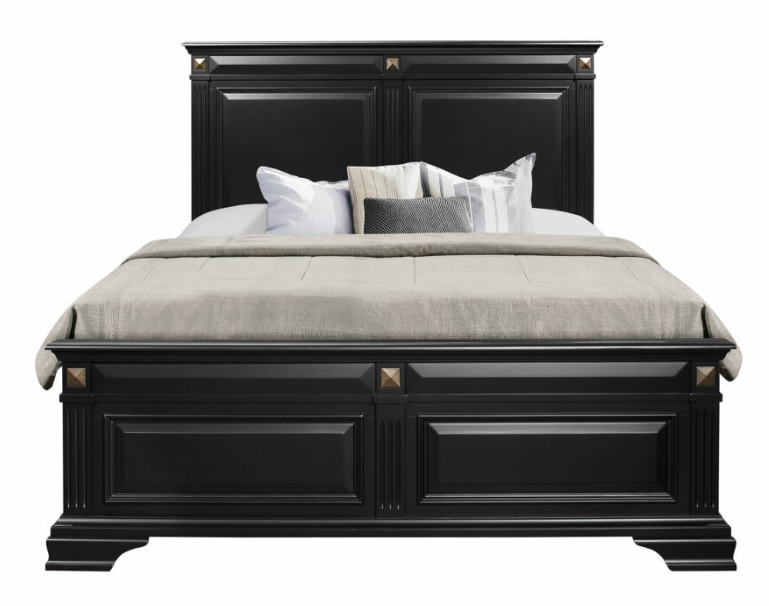
Upgrade your sleep with the mattress collection at Mare Blu Furniture today and create a bedroom that supports comfort and rest every night. Whether you prefer plush, firm, or something in between, the right mattress can make a big difference in how you feel each day. With a variety of options available, it is easy to find a mattress that fits your sleep style and personal comfort needs.
Now is the perfect time to improve your sleep experience. Shop mattress collection at Mare Blu Furniture now and enjoy better rest, greater comfort, and a more relaxing bedroom setup every night.
Delivery
Check what it costs to get this order to your door.