
NOTICE: WE ACCEPT CASH OR ZELLE PAYMENT ONLY.

Choosing weather-resistant materials is the fastest way to transform patios, decks, balconies, and gardens into genuinely comfortable outdoor areas. Selecting the right weather-friendly materials can enhance your outdoor living by making these spaces more inviting, functional, and enjoyable throughout the year. When we talk about “weather-friendly,” we mean materials that stay cool to the touch, dry quickly after rain, resist fading from UV rays, and maintain structural integrity through temperature fluctuations. Hot summers, sudden downpours, and frosty mornings all directly affect how comfortable a chair, bench, or cushion actually feels against your skin. This article shows how specific materials, wood, metals, fabrics, and composites, improve day-to-day outdoor comfort, not just durability.
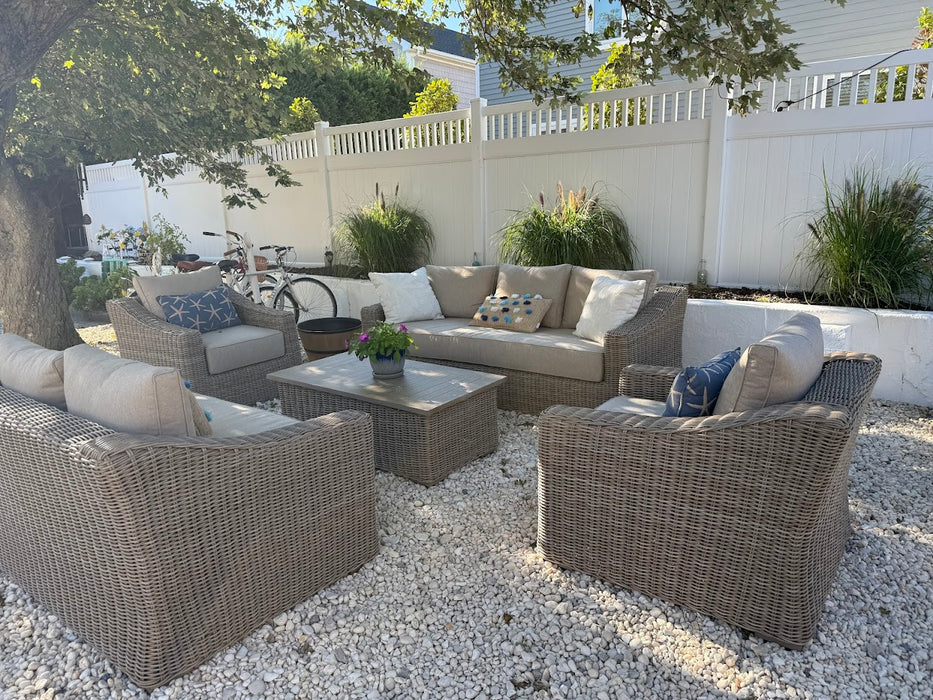
The answer comes down to three core benefits: comfortable surface temperature, quick-drying performance, and stable seating that doesn’t wobble or squeak.
Materials like well-finished teak wood and high-density polyethylene stay touchable even when air temperatures pass 30°C during intense sun exposure. This makes a significant difference compared to bare metal, which can become painful to touch within minutes.
Breathable, water-repellent fabrics prevent the frustrating “damp cushion” problem after a shower. These performance textiles are specifically designed to resist both water and UV rays, protecting your furniture from damage caused by sun exposure and rain. They allow air and water to move through and evaporate quickly, so you’re not waiting hours for furniture remains to dry.
Rigid but slightly flexible frames made from powder-coated aluminum with quality fasteners eliminate wobbling and squeaking, subtle factors that significantly enhance perceived comfort during long dinners outdoors.

Not all “outdoor” materials feel the same in real weather conditions. Understanding how different materials behave in daily use, their temperature, texture, support, and noise, helps you make a practical choice when buying outdoor furniture.

Dense hardwoods have been used outdoors for decades because they handle moisture, sun exposure, and insects far better than softwoods. Well-sealed teak or eucalyptus slats stay relatively cool under mid-summer sun compared to dark steel, improving comfort when sitting in shorts.
Slightly contoured wooden seats provide firm, supportive comfort that doesn’t sag over time, ideal for long outdoor meals. The natural oils in these woods resist water absorption, so surfaces dry faster after showers, reducing that “damp seat” problem early in the morning.
Properly maintained teak often lasts 20–30 years outdoors while maintaining its comfort and aesthetic appeal. The wood ages beautifully, developing a silver-gray patina while remaining smooth and splinter-free.
Metals are essential for frames because they combine strength with slim, comfortable profiles without excessive bulk. Aluminum is naturally corrosion-resistant, so armrests and backrests stay smooth without flakes or rust that could snag clothing or irritate skin.
Lightweight frames offer a practical comfort benefit: they’re easy to move into shade or out of the wind. Users can quickly adapt to changing temperatures and breezes without assistance.
Modern powder coatings reduce heat absorption and prevent the “too hot to touch” problem seen on bare metal in peak summer. Properly designed metal chairs feel rigid but not sharp, with rounded edges for comfort when leaning back or resting arms.
Traditional natural rattan swells, cracks, and develops mold and mildew when exposed to outdoor moisture. Modern all-weather versions made from UV-stable synthetic fibers solve these problems while retaining visual warmth.
The woven texture gently flexes under weight, creating a cushioned feel even before adding seat pads, improving comfort for long lounging sessions. Synthetic wicker doesn’t hold water like natural materials, so it dries faster after heavy rain and feels less clammy on humid mornings.
UV-resistant strands retain color and softness even after several summers of direct sun exposure, avoiding the rough, brittle feel of aged natural wicker. This combination of visual appeal and practical performance makes synthetic wicker a smart investment for year-round outdoor use.
HDPE and similar advanced plastics have become popular since the early 2000s for their mix of durability, comfort, and sustainability. This weatherproof material often features rounded edges and slightly contoured seats that support natural posture without requiring additional pads.
UV-stabilized HDPE resists fading and surface chalking, keeping textures smooth and pleasant through prolonged exposure to harsh elements. The material doesn’t splinter or crack under regular temperature swings, maintaining material integrity and avoiding sharp edges that compromise safety.
Some manufacturers use recycled materials for HDPE production, providing eco-friendly options that deliver identical comfort and weather resistance while supporting environmental goals.
Cushions and upholstery often make the biggest difference to how comfortable an outdoor setting feels from day one. Solution-dyed acrylic fabric and other performance textiles are specifically designed to resist UV fading, keeping colors vibrant even after full summers of sun exposure.
Quick-dry foam cores with open-cell structures let rainwater drain through instead of soaking in. Cushions feel dry and usable within hours after a storm, effectively adding comfortable outdoor hours to each week that would otherwise be lost to wet conditions.
Breathable weaves prevent the sticky feeling in high humidity, keeping seating surfaces cooler against the skin. Removable, washable covers with mild soap and warm water contribute to both cleanliness and comfort for families using outdoor spaces daily.
Designing a welcoming outdoor space starts with choosing the right materials, ones that can truly withstand harsh weather conditions while elevating your outdoor decor. Weather-resistant materials are the foundation of quality patio furniture, offering both durability and minimal upkeep so you can enjoy your outdoor living experience without constant worry or maintenance.
Materials like teak wood, synthetic wicker, and recycled materials are specifically designed to withstand intense sun, heavy rain, and extreme weather conditions. These durable materials resist mold and mildew, ensuring your furniture remains fresh and inviting even in high humidity or after a summer downpour. UV-resistant coatings and treatments further protect your investment, preventing fading and damage from prolonged exposure to UV rays.
Aesthetic appeal is just as important as durability. Weather-friendly materials come in a variety of styles and finishes to complement any outdoor space. Acrylic fabric, for example, is a popular choice for outdoor furniture thanks to its water and UV resistance, vibrant color options, and easy-to-clean surface. Synthetic fibers like polyester and nylon are also excellent for outdoor use, as they’re designed to withstand harsh weather conditions and require only a quick wipe down with mild soap and warm water to stay looking their best.
When buying outdoor furniture, it’s essential to consider your local weather conditions. In areas with high humidity, materials like teak wood and synthetic wicker are ideal for resisting moisture and preventing mold and mildew. For regions with intense sun, opt for UV-resistant materials and finishes to maintain your furniture’s color and structural integrity. By selecting weather-resistant options tailored to your climate, you ensure your outdoor space remains comfortable, stylish, and functional year-round.
Investing in weather-friendly materials is a smart financial decision that pays off in the long run. Not only do these materials offer numerous benefits, such as low maintenance, long-term durability, and enhanced comfort, but they also help you avoid frequent replacements and costly repairs. Whether you’re looking to refresh your outdoor decor or create a true extension of your living space, choosing weather-resistant furniture is a practical choice that significantly enhances your outdoor living experience.
Thermal comfort outdoors depends on how hot or cold surfaces feel against skin, not just air temperature. A person may feel comfortable in 25°C air while sitting on cool wood, but uncomfortable on dark metal that has absorbed solar energy and reached 45°C+ surface temperature.
Light-colored, matte finishes on tables and chairs reflect more sunlight, staying cooler during midday heat waves. Materials like wood and many plastics have lower thermal conductivity than metals, so they remain comfortable when temperatures swing from under 10°C to above 30°C in different climates.
Practical approaches to thermal comfort:
Choose fabrics in lighter colors that reflect rather than absorb heat
Select slatted seat designs that promote airflow under the body
Mix materials, wood tabletops on metal frames, combine thermal coolness with structural strength
Avoid dark, glossy finishes that concentrate heat
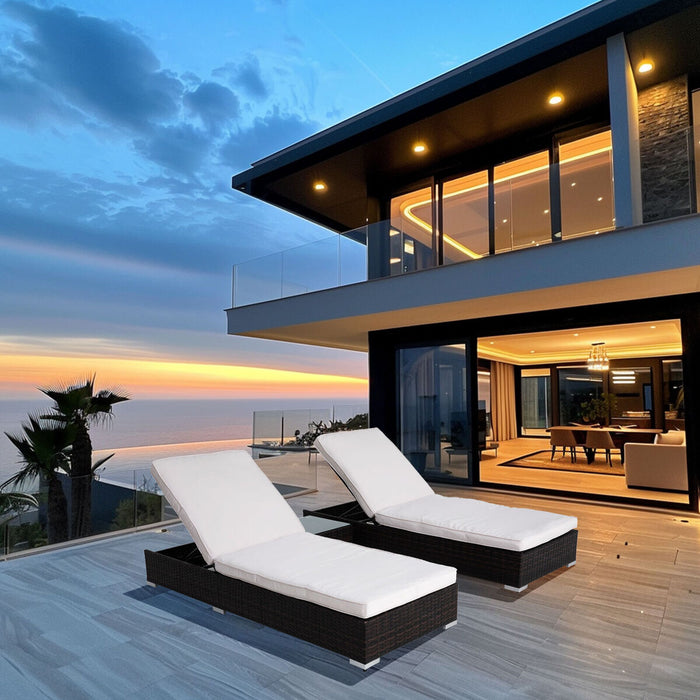
Moisture, whether from summer storms, morning dew, or humidity-driven condensation, is one of the biggest threats to outdoor comfort and can lead to wear and tear over time.
Open-weave designs, including wicker, mesh, and slatted wood, allow water to drain rapidly instead of pooling. Perforations and ventilation serve dual purposes: initial water drainage and subsequent air circulation that accelerates drying.
Breathable fabrics and mesh backs prevent sweat buildup on hot days, improving comfort for extended outdoor living experience sessions. Elevated frames that keep seats off wet ground reduce contact with cold, damp surfaces after overnight rain and sun exposure.
Weather-friendly materials make outdoor space usable much sooner after rain, a practical benefit that adds more comfortable hours to each week.
People enjoy outdoor areas more when they’re not constantly cleaning, repainting, or repairing furniture. Quality patio furniture requiring minimal upkeep directly supports relaxation.
Low-maintenance benefits of weather-resistant options:
Non-porous, stain-resistant surfaces clean with a quick wipe down using mild soap
Resistant materials prevent peeling finishes, rough patches, and mildew stains
Reliable pieces eliminate the need to store furniture indoors during harsh weather conditions
Durable materials maintain visual appeal for years, looking inviting rather than tired
A regular cleaning schedule of 15–30 minutes annually keeps weather-resistant furniture in excellent condition, compared to the hours required for less durable materials.
Comfort includes feeling secure when the wind picks up or the surfaces get wet during extreme weather conditions. Heavier, well-balanced frames using solid wood or weighted bases remain stable during gusty afternoons, increasing user confidence.
Many weather-friendly designs incorporate non-slip feet and textured armrests, making them safer on smooth tiles or wet decking. Anti-corrosion hardware prevents hidden structural weakening that causes unexpected wobbles or breaks.
Rounded corners and smooth, splinter-free edges are particularly important for households with children, combining safety with tactile comfort and style that enhances your outdoor living space.
Pieces designed to withstand harsh weather conditions reduce waste and disruptions associated with frequent replacements. This represents both cost-effectiveness and environmental responsibility.
Long-lasting, high-quality materials often remain comfortable and attractive for 10–30 years with basic care:
Certified hardwoods: 20–30 years
Recycled HDPE: Multiple decades
Quality aluminum frames: 15–20 years
A family investing in weather-friendly seating in 2026 can realistically expect use into the late 2030s or 2040s with minor maintenance. This long-term value makes durable, weather-resistant furniture a smart financial decision; you save money in the long run while enjoying consistent comfort.
Before your next purchase, use this checklist to choose the right materials:
|
What to Check |
Why It Matters |
|---|---|
|
Surface feel |
Reveals thermal properties and texture quality |
|
Weight and stability |
Indicates frame rigidity and wind resistance |
|
Frame joins and hardware |
Shows corrosion resistance and durability |
|
Fabric labels |
Confirms UV resistance and water protection |
|
Climate match |
Ensures materials suit local conditions |
Match materials to your location: coastal regions benefit from superior water drainage due to humidity and salt spray, while dry, high-UV regions need maximum sun protection.
Consider storage flexibility, foldable designs, breathable covers, and stackable pieces that support seasonal changes while maintaining material integrity through numerous benefits of weather protection.
Weather-resistant materials improve real-world outdoor decor and comfort by managing temperature, moisture, support, safety, and maintenance simultaneously. True outdoor comfort extends beyond cushions and traditional styles; it’s about how each material behaves in sun, rain, wind, and seasonal shifts.
Review your current setup and identify one or two key upgrades this season. Switching to quick-dry cushions or investing in weather-resistant furniture creates a true extension of your living space. These material choices represent an investment in many future gatherings, quiet mornings, and relaxed evenings outside, outdoor comfort that withstands harsh weather conditions for years to come.

Enjoy your outdoor space in every season with weather-friendly outdoor furniture from Mare Blu Furniture. Designed for durability and comfort, the outdoor furniture collection includes seating sets, loungers, and dining pieces made to handle sun, rain, and everyday outdoor use while keeping your space stylish and comfortable.
Visit Mare Blu Furniture today to explore weather-friendly outdoor furniture that fits your patio, deck, or backyard. Whether you're creating a relaxing outdoor lounge area or a space for gatherings, you’ll find outdoor furniture built for long-lasting use and outdoor living.
Delivery
Check what it costs to get this order to your door.