
NOTICE: WE ACCEPT CASH OR ZELLE PAYMENT ONLY.

The furniture in your home does more than fill space; it shapes how your family moves through each day. From breakfast before school to homework at the dining table to weekend movie marathons, the pieces you choose directly affect whether your household runs smoothly or feels like a constant battle against clutter and discomfort. Furniture must stand up to real life, handling spills, wear, and the unpredictable realities of family living.
This guide covers the specific indoor furniture that supports daily family routines across your living room, dining area, kids’ rooms, entryway, and those multi-use corners that do double duty in small apartments. The focus here is practical: durable furniture that handles spills, comfortable seating that keeps everyone in the same room, and smart storage solutions that make resetting between activities fast and painless. Style also matters; the best family spaces balance personal expression and visual appeal with comfort and safety. Real family traditions should anchor your interior design choices, ensuring the space reflects both your daily needs and your family's unique personality.

Family life is at the heart of every home, shaping the way we use our spaces and the memories we create together. A thoughtfully designed family room can become the central hub for the entire family, offering a welcoming environment that supports everyday living and encourages interaction. When selecting furniture for your family room, it’s important to consider the needs of both adults and kids to ensure the space is truly family-friendly. Opt for a comfortable sofa, a sturdy coffee table, and a TV stand that can handle the excitement of movie nights and game nights. Adding lounge chairs provides extra seating and gives everyone their own space to relax. By focusing on kid-friendly features and choosing pieces that promote family bonding, you create a room that supports the well-being of all family members and makes daily life more enjoyable.
The living room is where family life actually happens. It’s where kids sprawl out for homework, where everyone gathers for game night, and where you finally sit down together after a long day. The furniture you place here determines whether your family gravitates toward this space or scatters to other rooms with their devices.
Getting the living space right means thinking beyond aesthetics. You need pieces that encourage interaction, seating arranged to face each other, or a central focal point like a coffee table or tv stand, rather than furniture that isolates everyone in their own corner.
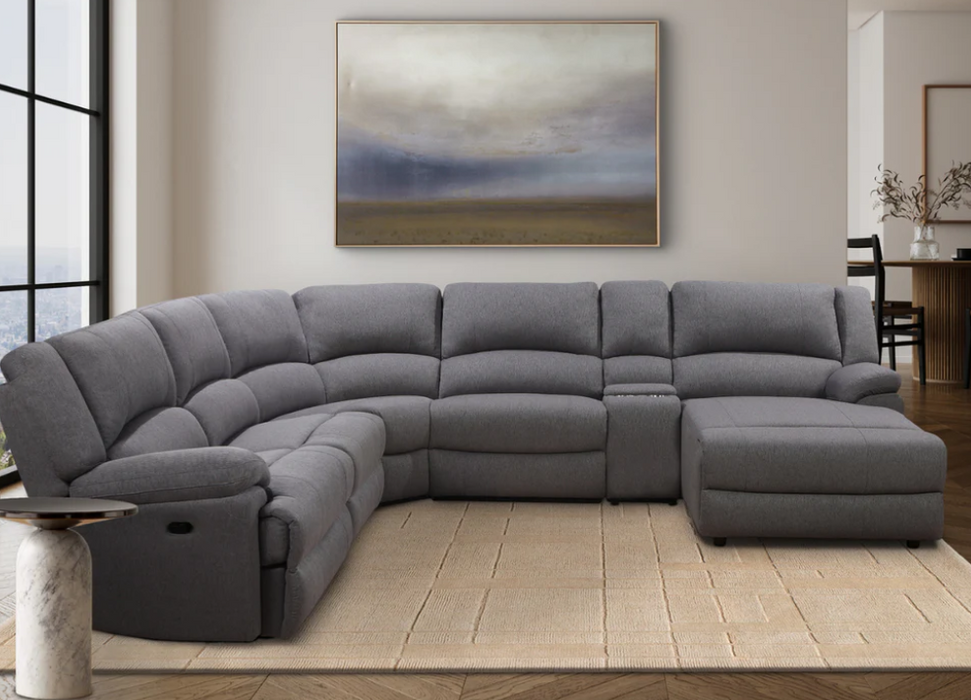
Finding the right sofa transforms your living room from a pass-through zone into a place where your whole family actually wants to spend time. Deep, cushioned sectionals with L- or U-shaped configurations work exceptionally well for movie nights, evening conversations, and the inevitable afternoon naps.
Key features to look for:
|
Feature |
Why It Matters |
|---|---|
|
Chaise lounge sections |
Give kids space to stretch out without claiming the entire sofa |
|
Recliner ends |
Allow adults to relax during longer movie-watching sessions |
|
Supportive back cushions |
Keep everyone comfortable for hours of board games or TV |
|
Wide seat depth (22–24 inches) |
Accommodate both sitting and lounging positions |
For families of four to six, a sectional paired with one or two lounge chairs typically provides enough seating so no one ends up on the floor. This setup creates a comfortable space where the entire family can gather without feeling cramped.
Because spills happen, and they happen often with small children, choose upholstery with washable covers or stain-resistant performance fabrics. Darker colors and patterns hide wear better than light solids, extending the life of your investment significantly.
A sturdy coffee table acts as the command center for everyday living in the family room. This is where snacks land during movie nights, where board games are spread out on weekends, and where kids set up craft projects that somehow take over the entire surface.
What makes a coffee table work for family use:
Rounded corners or edges to prevent injuries when toddlers are learning to walk
Solid wood or durable laminate tops that resist scratches from toys and homework supplies
Generous surface area (at least 48 inches long) so multiple people can sit around it comfortably
Lower height (16–18 inches) that puts it at the right level for children sitting on the floor
Lift-top coffee tables deserve special mention for families who eat casual meals in the living room or need a temporary desk setup. The raising mechanism brings the surface to a practical use height for laptops, dinner plates, or art projects without requiring everyone to hunch over.
Side tables or C-shaped tables positioned beside the sofa give each person their own space for drinks and devices. This small addition prevents the inevitable reach-across-someone chaos that happens when everyone shares one surface during busy evenings.
A low, wide tv stand or media console does more than hold your television; it organizes the chaos of chargers, gaming consoles, remotes, and cables that accumulate in any family living room. Choosing a unit with doors, drawers, and cable management holes keeps wires hidden and out of reach of curious toddlers.
For toy storage that actually gets used, consider:
Storage ottomans that double as extra seating and hide blankets, controllers, and toys
Baskets on open shelves for fast cleanup before bedtime or when guests arrive
Console table with lower shelf for books, magazines, or decorative storage boxes
Wall-mounted shelves to keep fragile items away from small children
The goal is to make quick resets possible. When you can transform a playroom explosion into a presentable great room in under five minutes, you’re more likely to actually use the space for its intended purpose rather than avoiding it.

Designing a kid-friendly family room means creating a space where children can play, learn, and grow safely. Smart storage solutions, like toy storage bins and open shelves, help keep the room organized and make it easy for kids to put away their things after imaginative play. A console table with rounded edges and a durable finish offers a safe spot for crafts and activities, while also protecting small children from bumps and scrapes. When choosing furniture, look for non-toxic materials and pieces with rounded corners to ensure a safe environment for everyone. In a great room, a large dining table paired with comfortable seating can bring the family together for meals, homework, and creative projects. By prioritizing storage and kid-friendly features, you create a room that supports family bonding and makes everyday life smoother for both parents and kids.
The dining table might be the most versatile piece of furniture in any home. It hosts family dinners, becomes a homework station after school, transforms into a craft center on rainy weekends, and occasionally serves as the backdrop for impromptu science projects involving way too much glitter.
This section covers the furniture that supports these daily rituals: sturdy tables, comfortable chairs, and storage that keeps everything organized between uses.
A solid dining table, typically a 4–6 seater around 150–180 cm long, can function as a central workspace for multiple family members simultaneously. Parents can review emails at one end while kids tackle homework at the other, and everyone’s still in the same room having conversations between tasks.
For families who regularly host relatives or children’s friends, extendable tables offer the best of both worlds. They maintain a practical weekday size but expand for weekend gatherings, special event dinners, or holiday meals when extra seating appears from nowhere.
Tabletop materials ranked by durability for family use:
Solid hardwood (oak, walnut, maple) – Resists scratches, can be refinished
High-quality veneer over solid core – Durable and more affordable
Laminate – Handles spills well but can chip at edges
Marble top or stone – Beautiful but requires sealing and more careful maintenance
For narrow spaces, rectangular tables maximize seating capacity. Round tables work better in square rooms where conversation and eye contact matter more than fitting the maximum number of chairs. Either way, ensure there’s at least 36 inches of clearance around the table for people to move past seated family members.
The difference between a five-minute meal and a lingering dinner conversation often comes down to seating comfort. Padded dining chairs with proper back support keep people at the table longer, which encourages interaction and turns meals into actual family bonding time rather than a refueling stop.
Options for different family needs:
|
Seating Type |
Best For |
Considerations |
|---|---|---|
|
Upholstered dining chairs |
Comfort during long meals |
Need washable covers or performance fabric |
|
Wooden chairs with cushions |
Easy cleaning, durability |
Add seat pads for comfort |
|
Dining benches |
Seating multiple kids on one side |
Less individual support, but space-efficient |
|
Bar or counter stools |
Kitchen islands for quick breakfasts |
Height should match counter (24–26 or 30 inches) |
High chairs or booster seats integrate into this setup for the youngest family members, keeping everyone at the same level during meals. As the family grows and children age out of boosters, the seating can adapt without requiring a complete furniture overhaul.
For everyday use, prioritize chairs with surfaces that wipe clean easily. Removable cushion covers that survive the washing machine will save significant frustration over the years.
A sideboard or buffet positioned near the dining area creates organization that makes transitions between activities seamless. These pieces can store tableware in one section, board games in another, and seasonal decorations in a third, all hidden behind closed doors.
Practical organization approach:
Dedicate one drawer specifically for homework materials (pencils, rulers, calculators) so the table switches from dining to study mode in seconds
Use shallow bins inside cabinets to separate art supplies, puzzles, and napkins
Keep frequently used items at eye level for children who need to access them independently
Reserve the top surface for items that need to stay out of reach of kids
Closed storage keeps the room visually calm between activities. When the mess is hidden, resetting the space each evening feels less overwhelming, and you’re more likely to actually use the dining area for its multiple purposes.
Bedroom furniture supports the quieter rhythms of daily life: reading before sleep, homework after school, and independent play that gives parents a brief respite. These pieces need to handle serious daily wear while creating an environment that promotes rest and focus.
Quality sleep forms the foundation of everything else. Supportive beds with appropriate mattresses give children the rest they need for growth and learning, while adults recover the energy required to keep up with family life.
For smaller homes where storage is precious, beds that work harder deserve serious consideration:
Storage beds with drawers underneath for bedding, seasonal clothes, or toys
Lift-up bases that access a large compartment for sports gear and seldom-used items
Bunk beds that stack sleeping space vertically, freeing floor area
Loft beds where the lower space becomes a study corner or play zone
For families with young children, secure furniture to walls and ensure guardrails are sturdy. The developmental benefits of independent sleep routines depend on parents feeling confident about safety.
A dedicated study space, even a small one, signals to children that learning matters and gives them their own space for daily homework routines. Writing desks around 90–120 cm wide fit most kids’ rooms without overwhelming the space.
Elements of an effective study setup:
Ergonomic desk chair with adjustable height to grow with the child
Proper back support to encourage good posture during study time
Small drawer unit beside or under the desk for stationery and supplies
Shallow shelves above for textbooks and frequently referenced materials
Position near windows where possible for natural light that supports concentration
The desk doesn’t need to be expensive or elaborate. What matters is having a consistent spot where homework happens, which builds habits that serve children throughout their education.
Low wardrobes, dressers, and cube shelving systems help children develop independence. When kids can choose their own clothes, put away toys, and access books without adult help, daily routines become faster and less contentious.
Practical setup for kid-accessible storage:
Lower hanging rods in closets (around 36 inches from the floor for preschoolers)
Labeled bins or boxes on open shelves, grouping toys, games, and school supplies
Reachable reading shelf or small bookcase to encourage daily reading
Anchor all tall storage to the wall with anti-tip brackets, a non-negotiable safety requirement
Teaching children to manage their belongings through furniture they can actually use pays dividends in reduced morning chaos and faster bedtime routines.

Morning chaos often starts, and afternoon stress often ends, at the entryway. This high-traffic zone handles backpacks, coats, shoes, keys, and the various items family members drop as they move between home and the outside world. Well-chosen furniture here can shave minutes off every transition.
A sturdy bench with shoe storage underneath transforms the daily shoe struggle. Children and older family members have a stable place to sit while managing footwear, and shoes stay organized rather than accumulating in a pile that blocks the door.
Options for different entryway sizes:
|
Space Available |
Recommended Solution |
|---|---|
|
48+ inches wide |
Full bench with compartments for 8–12 pairs |
|
36–48 inches |
Compact bench with a shoe rack underneath |
|
Under 36 inches |
Slim shoe cabinet with fold-down seat |
Choose finishes that tolerate wet shoes and winter gear, coated wood, metal frames, or easy-clean laminates. Adding a cushion makes the bench more comfortable and encourages children to sit rather than hopping around while putting on shoes.
Wall hooks installed at multiple heights let both adults and children hang coats, backpacks, and hats independently. When kids can reach their own hooks, they’re more likely to actually use them.
Complete entryway organization includes:
Adult-height hooks (60–65 inches) for coats and bags
Kid-height hooks (36–42 inches) for backpacks and jackets
Slim console table for keys, mail, sunglasses, and device charging
Shallow tray or bowl on the console for coins and small items
Freestanding coat rack as an alternative where wall mounting isn’t possible
This setup keeps daily essentials in one room, eliminating the frantic searches that make everyone late in the morning. When there’s a designated spot for everything needed to leave the house, family members can grab and go.
The way you arrange furniture in your living room can make a big difference in how your family interacts and moves through the space. Placing the sofa and chairs in a conversational circle around a coffee table encourages the entire family to gather, share stories, and enjoy movie nights together. Leave enough space between furniture pieces to allow for easy movement, especially for kids who love to play and explore. A well-placed TV stand and comfortable seating can serve as the focal point of the room, drawing everyone in for family bonding and special events. When selecting furniture, think about the needs of your family and choose pieces that are both durable and functional. By creating a layout that encourages interaction and makes the most of your space, you set the stage for countless moments of connection and fun.
Many families live in apartments or open-plan homes where one room must serve multiple purposes throughout the day. The living space might need to function as a home office, guest bedroom, and play area depending on the hour. Multi-functional furniture makes this possible without requiring constant heavy lifting.
A quality sofa bed in the living room or home office allows the space to double as a guest bedroom when relatives visit, or children have sleepovers. Modern mechanisms have improved significantly; you no longer need to sacrifice everyday comfort for occasional guest accommodation.
Convertible options worth considering:
Pull-out sofa beds with real mattresses for comfortable overnight stays
Daybeds with trundles that function as sofas by day and twin beds by night
Futons with sturdy frames for smaller spaces or as additions to a home office
Washable covers become essential with dual-purpose seating that sees this much use. Choose pieces where cushion covers zip off for machine washing, and consider keeping spare covers for quick changes between hosting events.
Before purchasing any convertible piece, measure doorways and hallways carefully. Nothing derails a furniture delivery faster than discovering the sofa bed won’t fit through your building’s stairwell.
When square footage is limited, furniture that changes function or disappears when not needed becomes invaluable. Research indicates that over 70% of indoor family activities involve furniture rearrangement, and modular pieces make this dramatically easier.
Flexible furniture that earns its keep:
Folding dining or craft tables that store flat against a wall, freeing floor space for yoga, exercise, or imaginative play
Nesting tables providing multiple surfaces for snacks and laptops during busy evenings, then sliding together to save space
Floor cushions and lightweight poufs serve as extra seating for movie nights or kids’ games, easily moved to other rooms as needed
Storage ottomans functioning as coffee tables, footrests, or chairs while hiding throw pillows, blankets, or seasonal items inside
This approach works particularly well for families in a small house or apartment where dedicated rooms for every function simply aren’t possible. The same space can support art projects in the morning, a guest bedroom by evening, and a clear floor for children’s obstacle courses on weekends, all without moving to a larger home.
Keeping a family-friendly living room looking its best is all about regular cleaning and smart organization. Since spills happen, especially with kids around, choosing durable furniture with washable covers can make cleanup quick and stress-free. Encourage everyone in the family to help tidy up by putting away toys, games, and other items after use. If your family room doubles as a guest bedroom, a sectional sofa with easy-to-clean fabric or a pull-out bed can provide a comfortable space for overnight visitors. Adding floor cushions and throw pillows not only adds warmth and comfort but also creates extra seating for family gatherings. By maintaining a comfortable space where everyone feels welcome, you make it easy for your family to relax, spend time together, and enjoy everyday life.
A well-designed family room offers countless benefits for family life. It becomes a place where family bonding happens naturally, where kids can engage in imaginative play, and where everyone has enough seating to feel included. Smart storage solutions keep clutter at bay, while durable furniture stands up to the demands of everyday living. By choosing kid-friendly pieces and arranging them to encourage interaction, you create a sense of well-being that supports the whole family. Whether it’s gathering around the coffee table for board games, relaxing in lounge chairs after a long day, or watching movies together from the comfort of a cozy sofa, a thoughtfully designed room brings fun, comfort, and connection into your home. With the right furniture, your family room can truly become the heart of your home, a space where memories are made, and everyone wants to spend time.
The best indoor furniture starts with understanding how your family actually lives, not how design magazines suggest you should live. Before making any purchase, observe which rooms get the most traffic, what activities happen where, and where the current friction points exist in everyday life.
Practical checklist before buying:
[ ] Measure the space and map traffic patterns through the room
[ ] List the activities that need to happen in each area
[ ] Identify the family members who use each space and their specific needs
[ ] Prioritize durability and non-toxic materials over trendy finishes
[ ] Check that pieces encourage the family to stay together rather than isolate
[ ] Verify that kid-friendly features (rounded corners, secure furniture, easy-clean surfaces) are present
[ ] Consider how pieces will adapt as your family grows
The furniture that truly supports daily family activities isn’t necessarily the most expensive or the most stylish. It’s the furniture that makes your particular household function better, pieces that add warmth to shared moments, reduce the stress of daily transitions, and create spaces where everyone wants to spend time together.
Start with the room your family uses most. Make one thoughtful upgrade that addresses your biggest daily challenge. The ripple effect of functional, well-being-focused furniture extends far beyond the individual piece; it changes how your entire family moves through each day.
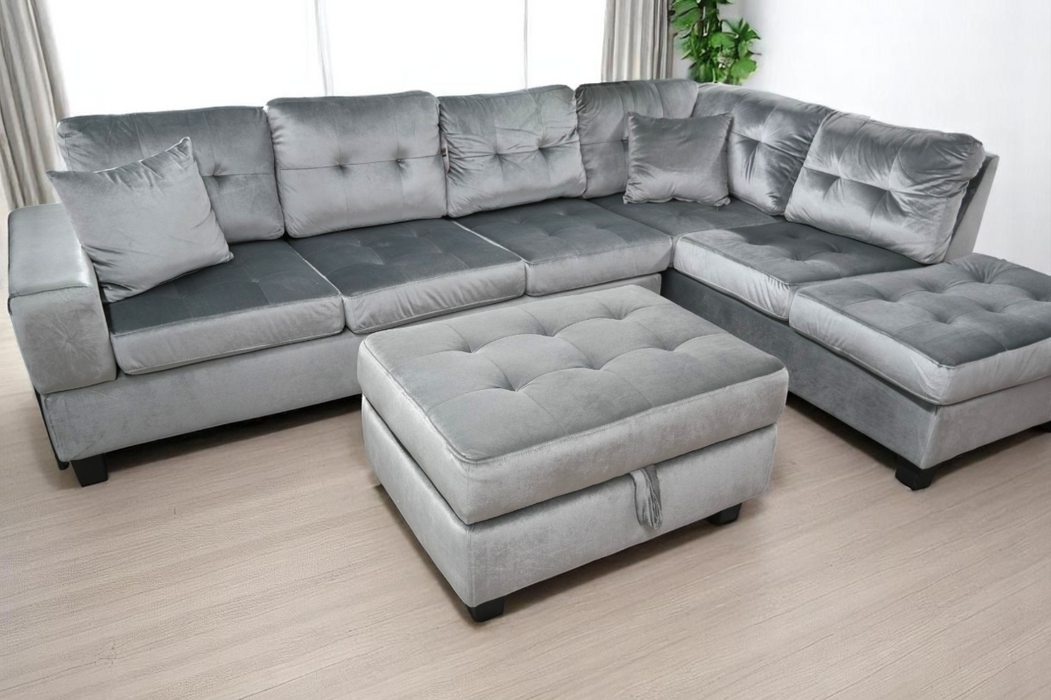
Your home deserves furniture that combines comfort, style, and functionality. At Mare Blu Furniture, our indoor furniture collection features sofas, chairs, tables, and storage solutions designed to enhance every room in your home. Each piece is crafted for durability and everyday use, helping you create spaces that are both beautiful and practical.
Explore our indoor furniture selection today and find the perfect pieces to refresh your home. Whether you’re furnishing a single room or updating your entire space, Mare Blu Furniture has options to suit your style and lifestyle.
Delivery
Check what it costs to get this order to your door.