
NOTICE: WE ACCEPT CASH OR ZELLE PAYMENT ONLY.
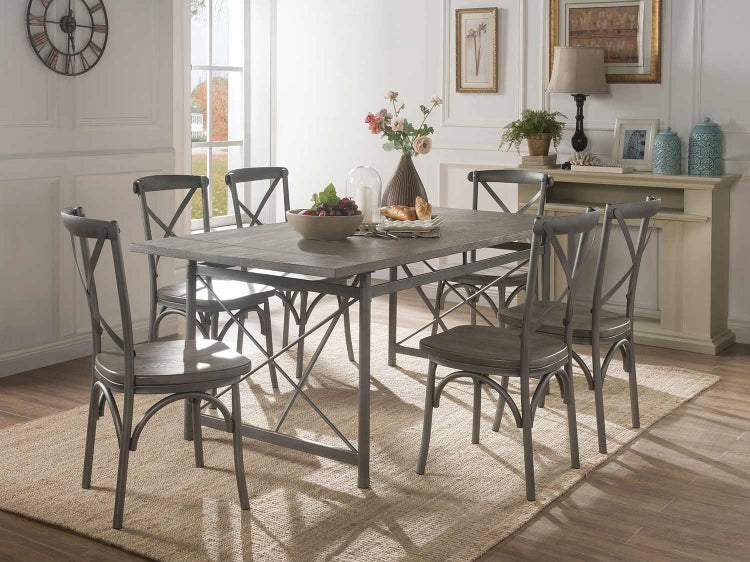
Choosing a dining set sounds straightforward until you realize the table has to survive Monday’s cereal spills, Wednesday’s science project, and Friday’s takeout containers, all before the weekend arrives. Most of us don’t need a formal dining room showpiece; we need furniture that handles real life without falling apart or driving us crazy to maintain.
This guide walks you through exactly how to pick a dining set that works for weekday meals, covering space planning, materials, comfort, and the practical features that make daily dining less stressful.
If you’re short on time and just need fast answers, here’s a scannable checklist to guide your purchase:
For a family of 4–6, choose a 60–72” rectangular wood table; it handles meals, homework, and laptops without feeling cramped
Opt for wipeable chair upholstery like performance fabric or faux leather if kids or pets share your dining space
Avoid glass tabletops unless you genuinely enjoy wiping fingerprints and crumbs multiple times daily
Keep at least 36 inches of clearance around all sides of the table for comfortable chair pull-out and walkways
Stick with solid wood, veneer, or high-pressure laminate for tabletops that resist stains and handle everyday use
Test chair comfort before buying, look for supportive backs and roughly 10–12 inches between the seat and tabletop
Consider a pedestal base for better legroom during long homework sessions or laptop work
The rest of this article digs deeper into space, size, materials, comfort, and care, all with weekday life in mind.
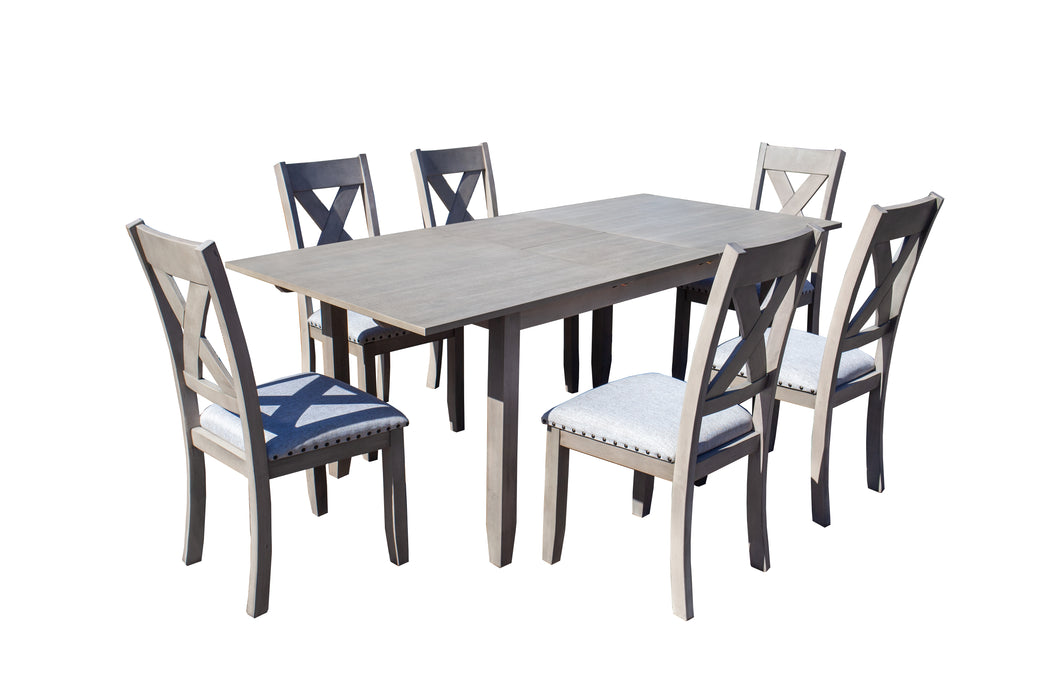
Picture your typical weekday: breakfast at 7:30 am with half the family still waking up, homework spread across the table at 4:00 pm, and maybe a late laptop session at 9:00 pm after the dishes are cleared. Your dining tables aren’t just for meals; they’re command centers for daily life.
Before you shop, identify which scenario best matches your home:
Solo or couple in an apartment: A compact round table or small square tables work well; you need space efficiency more than seating capacity
Young family with kids: Prioritize durable finishes, easy-clean chairs, and enough surface area for art projects and math worksheets
Multigenerational home: Look for larger rectangular tables that can seat 6–8, with comfortable seating that works for both kids and grandparents
Frequent work-from-home at the table: Ergonomics matter more; choose chairs with good back support and tables at the proper desk height
A stylish dining set means nothing if it can’t double as a craft table, laptop station, and snack bar throughout the week. Most families report using their dinner table for non-meal activities at least 15–20 hours weekly.
Try this: Keep a simple “table diary” for one week. Note how you use the table each morning, afternoon, and evening. You’ll quickly see patterns that should guide your purchase, whether you need more surface area, better chairs for long sits, or materials that hide crayon marks.

For weekday dining, fit and movement matter more than hosting capacity. You need to slide chairs in and out quickly, walk past with a laundry basket, and maybe squeeze a highchair into the mix, all without bumping elbows or blocking doorways.
Follow these steps before shopping:
Measure your room’s length and width in inches
Subtract 72 inches from each dimension (this allows about 36 inches of clearance on all sides)
The remaining dimensions are your maximum table size
For example, a 12’ x 10’ dining area (144” x 120”) can comfortably fit a table up to 72” x 48” while maintaining proper walkways.
|
Room Shape |
Best Table Shape |
Why It Works |
|---|---|---|
|
Long, narrow room |
Rectangular tables |
Maximizes seating along walls, suits multitasking layouts |
|
Square room |
Round table |
Eliminates awkward corners, promotes conversation |
|
Small open-plan apartment |
Square tables or small oval |
Compact footprint, easy traffic flow |
|
Breakfast nooks |
Round or small rectangular |
Fits into corner spaces efficiently |
Pedestal bases deserve special mention for weekday use. They provide roughly 20% more legroom than four-legged tables, making it easier to slide in with bags, tuck a highchair alongside, or stretch out during long laptop sessions.
Pro tip: Before buying, use painter’s tape to outline your potential table dimensions on the floor. Live with it for a day or two. Walk around it during your normal routine. You’ll quickly feel whether the size works for your available space.
Here’s a practical size-to-seating guide for everyday comfort, not “squeeze everyone in for Thanksgiving” capacity:
|
Table Size |
Comfortable Weekday Seating |
|---|---|
|
36–42” round |
2–4 people |
|
48” round |
4 people comfortably |
|
60” x 36” rectangular |
4–6 people |
|
72” x 38–40” rectangular |
6 people with elbow room |
|
84”+ rectangular |
8 people for larger families |
Weekday meals and homework need extra elbow room. When in doubt, err on the side of fewer seats per table length. Everyone will be more comfortable, and the table won’t feel cramped when laptops and textbooks join the dinner plates.
Benches can add one extra weekday seat for kids along one side of a rectangular table without changing the table size, a smart space-saving move for growing families.
For daily use, prioritize durability and easy cleaning over purely decorative choices. The table that looks stunning in the showroom needs to handle juice spills, hot casserole dishes, and the occasional homework-related pencil gouge.
Solid wood (oak, maple, rubberwood)
Warm, classic look that suits traditional and modern décor
Hardness scores of 1,200–1,500 on the Janka scale mean excellent dent resistance
Can be sanded and refinished if scratched, a low-maintenance option long-term
Best for families who accept a few character marks as patina over time
Engineered wood with veneer
Budget-friendly option that mimics a solid wood appearance
Stable in humid environments, less prone to seasonal warping
Cannot be refinished, so deep scratches are permanent
Good for apartments and rental homes where longevity isn’t the primary concern
High-pressure laminate
Excellent stain resistance and durability for the price
Easy to wipe clean, ideal for compact dining areas with kids
Less “premium” feel than wood, but highly functional
Available in patterns that can complement various furniture styles
Glass
Sleek, contemporary look
Shows every fingerprint, crumb, and water ring immediately
Higher maintenance for busy weekday households
Consider only if you genuinely enjoy frequent cleaning
Stone or ceramic tops
Extremely durable; handles hot dishes without damage
Heavy and often expensive
Requires placemats to avoid etching from acidic foods
Best for dedicated dining rooms with heavy use
For weekday life, matte or mid-sheen finishes hide daily smudges and crumbs far better than high-gloss surfaces. You’ll spend less time wiping and more time actually eating.

Your chairs take as much abuse as the table, maybe more. Here’s what works for everyday use:
Performance fabrics and faux leather: Excellent for families and pet owners; they resist stains and wipe clean easily
Solid wood chairs: Classic, sturdy construction that requires minimal maintenance; they work well in small spaces and rental homes
Molded plastic chairs: Lightweight, easy to clean, and surprisingly comfortable with the right design
Loose, removable cushion covers: Practical for weekday spills; choose machine-washable options when possible
Avoid delicate, light-colored linen in homes with frequent spaghetti nights or art projects at the table. That cozy cream upholstery will show every sauce splatter and marker swipe within weeks.
A weekday-friendly dining room set must be comfortable for 20–90 minute stretches, not just quick bites. Your kids do homework there, you answer emails there, and weekend brunches can stretch for hours.
|
Measurement |
Ideal Range |
|---|---|
|
The gap between the chair seat and the tabletop |
10–12 inches |
|
Chair seat depth |
16–18 inches |
|
Chair seat height |
17–19 inches |
|
Chair width for adults |
18–20 inches |
When testing chairs in the store, check your posture: feet should sit flat on the floor, knees at roughly 90 degrees, and your back should feel supported without leaning far back.
Upholstered chairs offer extra comfort and a cozy feel, but take up more visual space. They’re ideal for dedicated dining rooms where you have room to spare.
Slim wood or plastic chairs slide more easily in tight spaces and work better in apartments or open-plan living areas where the table sits near other furniture.
For adults who regularly work at the table, slightly wider chairs (around 20 inches) provide more comfort during long sessions. Narrower chairs may be fine for kids or infrequent use.
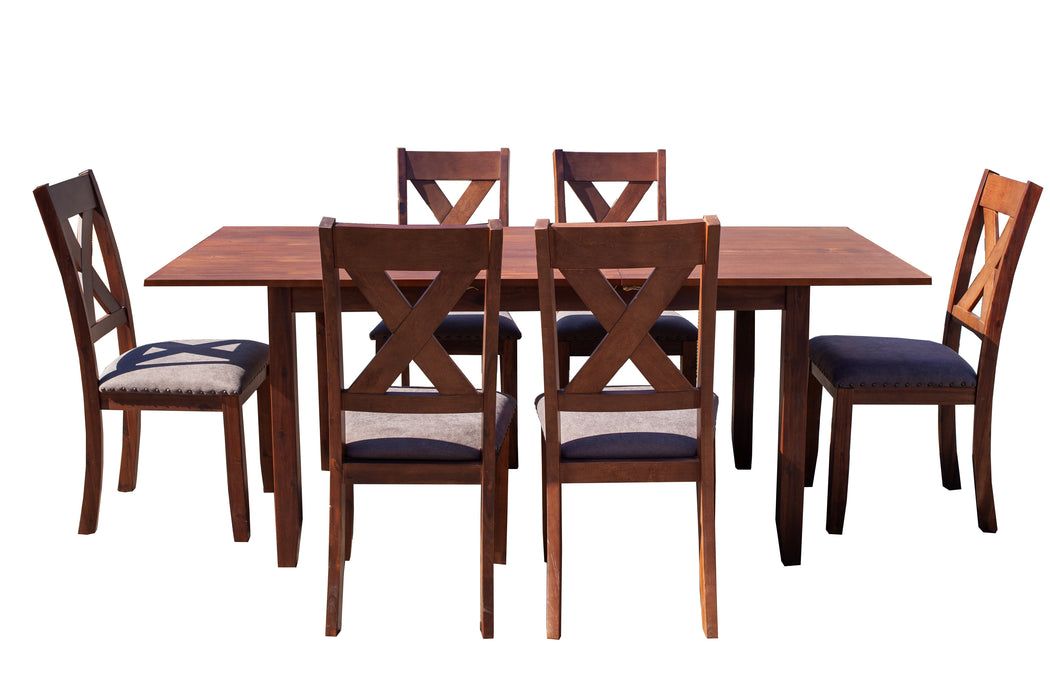
Standard height tables (29–30” tall) work best for mixed use. They’re comfortable for meals, homework, and laptop work, and accommodate standard dining chairs. This is the perfect fit for most households.
Counter height tables (around 36” tall) feel casual and social, with a casual kitchen-island vibe. However, they’re less comfortable for:
Long work or homework sessions
Young children who can’t reach comfortably
Elderly family members who may struggle with taller stools
Choose counter height only if your dining space doubles as a quick-bite spot and you primarily eat standing or on stools. For households with kids under 10 or anyone who regularly uses the table as a desk, standard height is the smarter choice.
Some “bonus” features genuinely help Monday through Friday, while others are just marketing fluff. Here’s what actually matters:
Extendable tables with leaves
Keep the table compact for daily traffic flow (around 48–60 inches)
Expand for weekend guests or holiday gatherings
Look for smooth mechanisms (butterfly leaves work well but need occasional lubrication)
Built-in storage
Shelves or small drawers for placemats, napkins, and homework supplies
Under-bench compartments keep clutter off the table surface
Particularly valuable in small spaces without nearby storage furniture
Bench seating
Space-saver that kids can easily slide onto during busy mornings
Pushes flush against a wall when not in use
Adds extra seating for family dinners without additional chairs
Stackable or tuck-under chairs
Essential for very small apartments
Keeps walkways clear after dinner
Look for chairs designed to slide completely under the table edge

Weekday messes are inevitable: juice spills, crayon marks, and laptop cords dragged across surfaces. Here’s how to minimize the damage:
Choose darker or medium-tone wood and patterned fabrics to camouflage minor stains and scuffs
Place felt pads under all chair legs to prevent floor scratches and reduce noise
Add a low-pile, flatweave rug under the table that’s easy to vacuum and spot-clean
Keep a washable tablecloth or set of placemats ready for especially messy nights (pizza, craft projects, science experiments)
Rustic finishes with visible grain and slight distressing actually work in your favor; they hide new scratches that would stand out on pristine surfaces.
A weekday dining set is an everyday tool. Your maintenance routine and budget should be realistic, not aspirational.
|
Material |
Daily Care |
Weekly/Monthly Care |
|---|---|---|
|
Solid wood |
Wipe with a damp cloth after meals |
Condition with wood oil 1–2x yearly |
|
Laminate |
Quick wipe with all-purpose cleaner |
Deep clean monthly |
|
Stone/ceramic |
Gentle pH-neutral cleaner |
Reseal annually if recommended |
|
Glass |
Microfiber cloth after each use |
Glass cleaner weekly |
|
Price Range |
What to Expect |
|---|---|
|
Under $400 |
Basic 3–5 piece apartment sets; particleboard with laminate; 3–5 year lifespan with careful use |
|
$400–$1,000 |
Solid-feeling family sets; engineered wood or entry-level solid wood; matching chairs with decent comfort; 7–10 year lifespan |
|
$1,000–$2,500 |
Quality solid wood construction; comfortable seating; sturdy construction that handles heavy daily use; 15+ year lifespan |
|
$2,500+ |
Heirloom-quality solid hardwood; luxurious finishes; classic designs that age beautifully over decades |
Spending a bit more on solid frames and good chair comfort often saves money by avoiding early replacement. A $1,200 set lasting 15 years costs less per year than a $500 set replaced every 4 years.
Before finalizing your purchase, rank these factors for your lifestyle:
Durability: Essential for families with young kids or pets
Comfort: Priority for work-from-home households or homes with entertaining habits
Appearance: Matters more in formal dining rooms visible from living areas
Easy moving: Critical for renters who relocate frequently
The ideal outcome? A table that feels natural for breakfast on Monday, with its connection to your family’s daily rhythms, and just as right for a relaxed Sunday dinner with guests. Start with your weekday needs, measure your space carefully, and choose materials that suit your real life, not an imagined one.
Your dining set should make daily meals easier, not add stress to already busy days. When you find that perfect fit, every weekday meal becomes a small moment of functional comfort in your home.

Your dining space should be both functional and inviting for family meals and gatherings. At Mare Blu Furniture, our indoor dining furniture collection features tables, chairs, and complete dining sets designed for comfort, style, and everyday use. Each piece is crafted to enhance your dining area while providing long-lasting quality.
Explore our indoor dining furniture selection today and find the perfect pieces to elevate your meals and gatherings. Whether you’re updating your current dining room or furnishing a new space, Mare Blu Furniture offers options that fit your style and lifestyle.
Delivery
Check what it costs to get this order to your door.